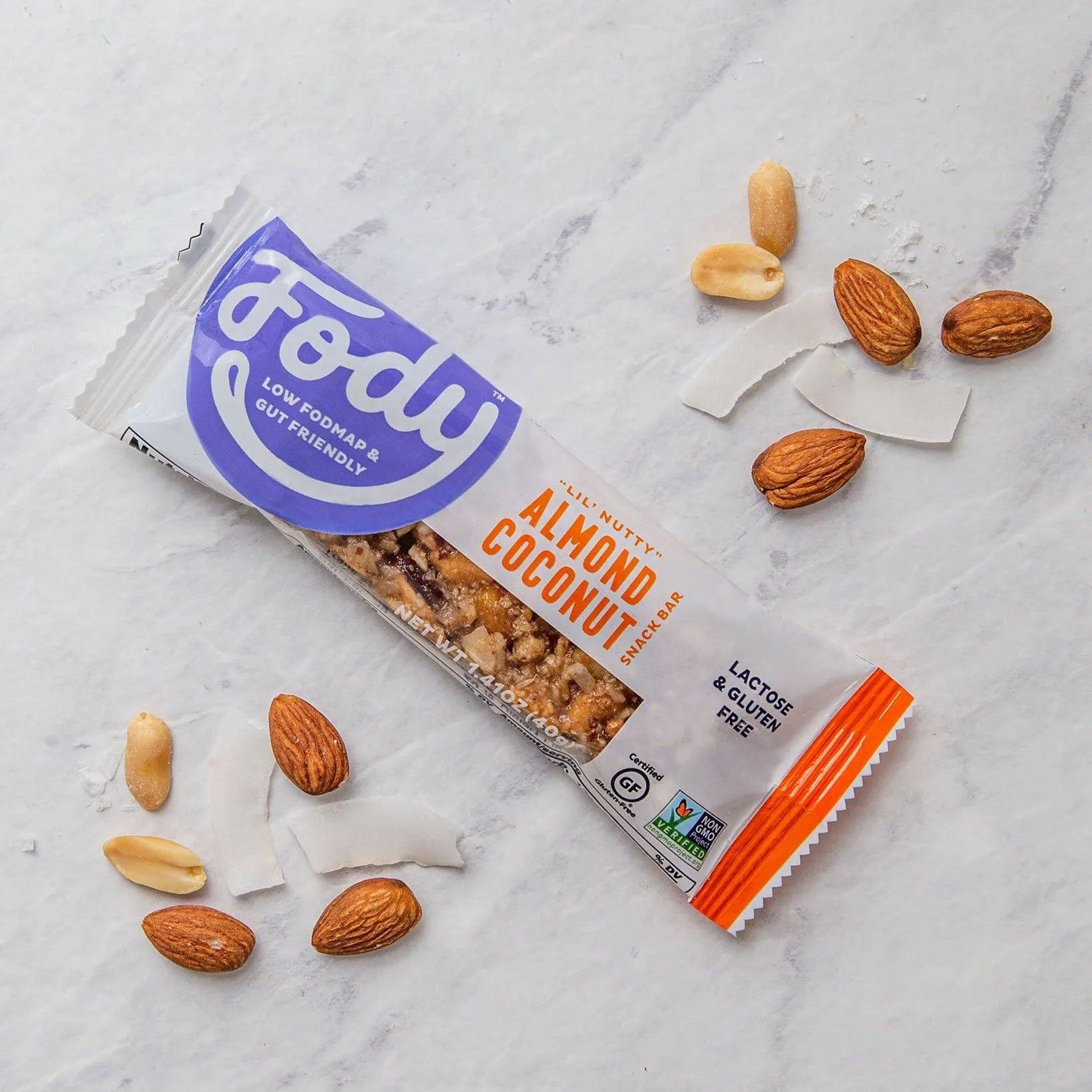
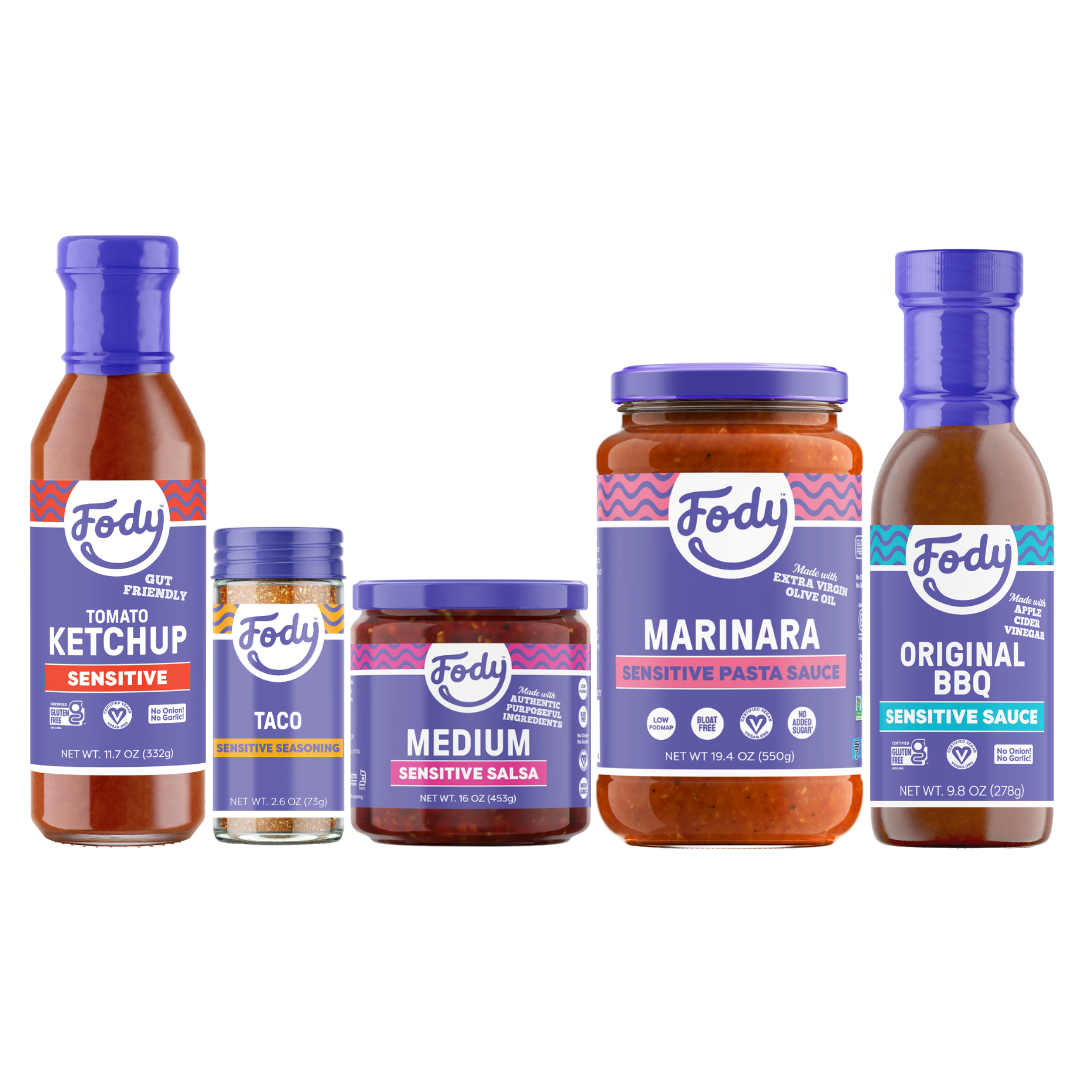
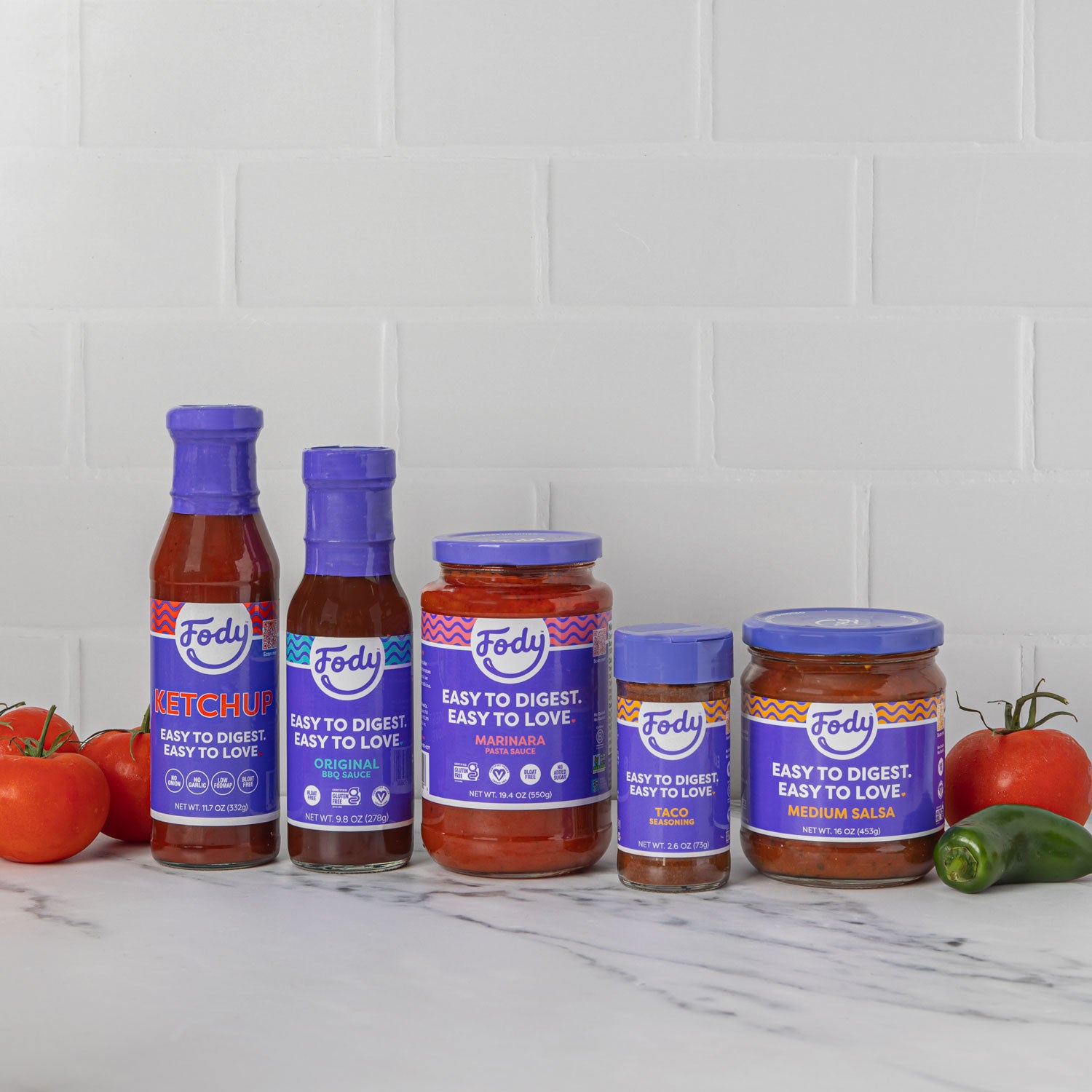
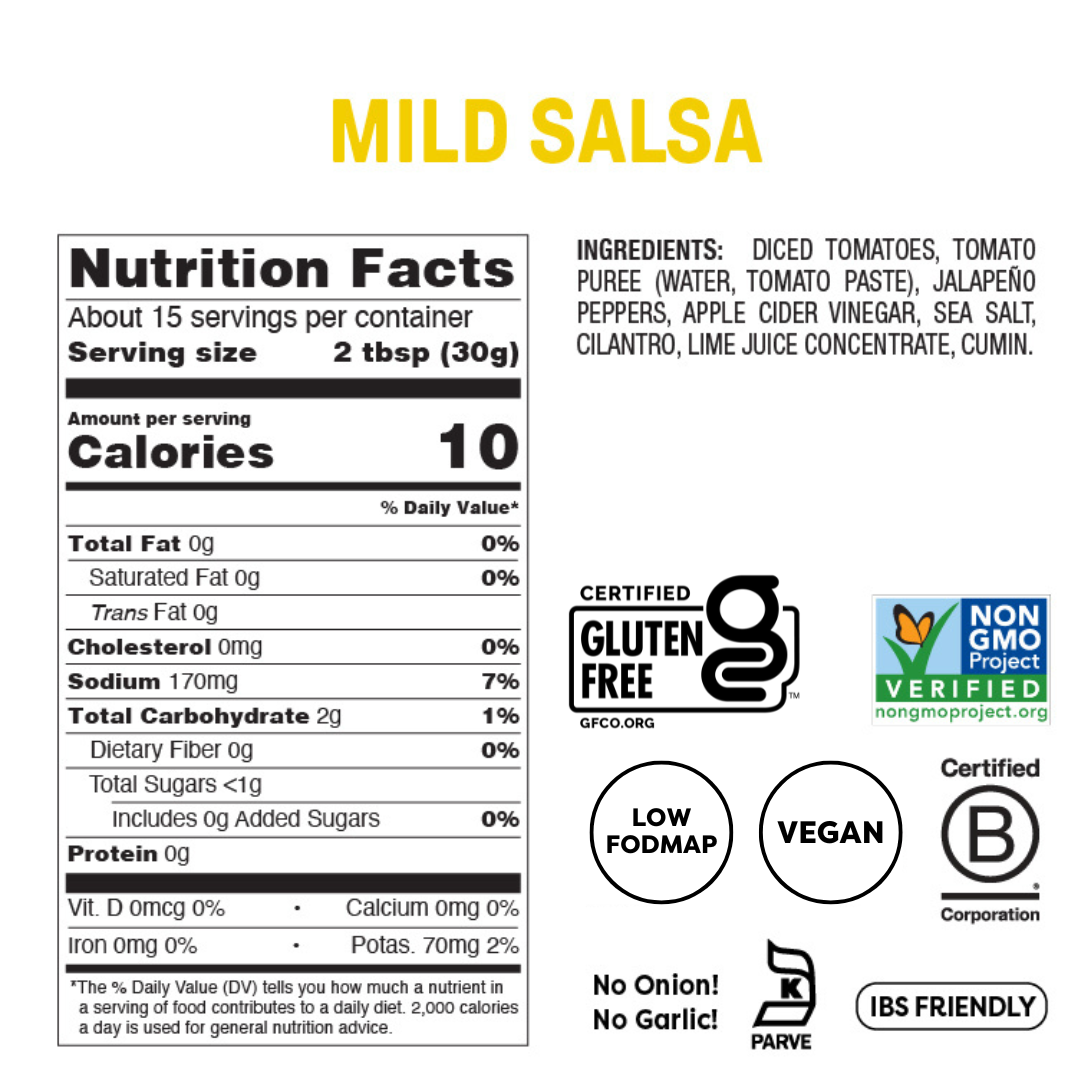
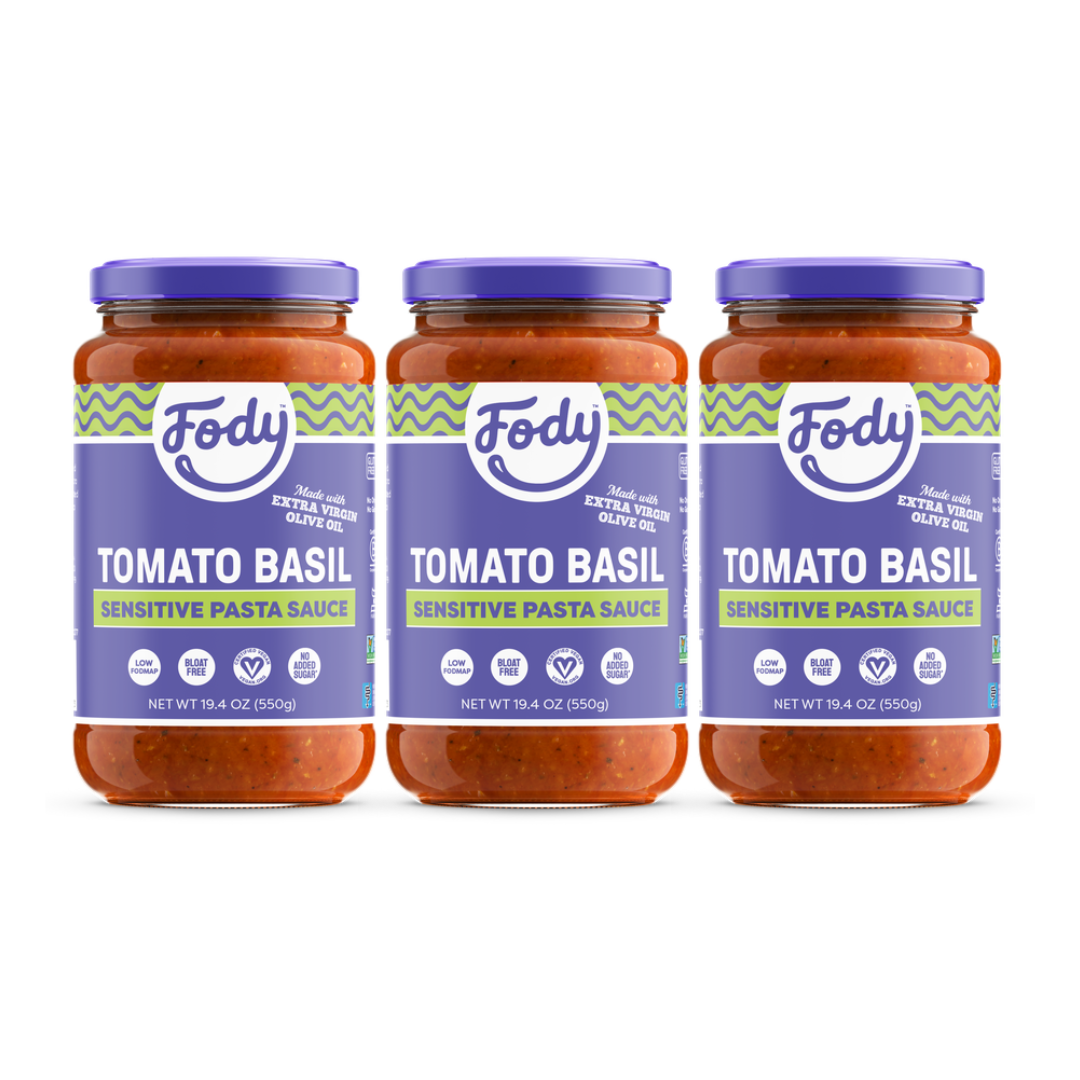
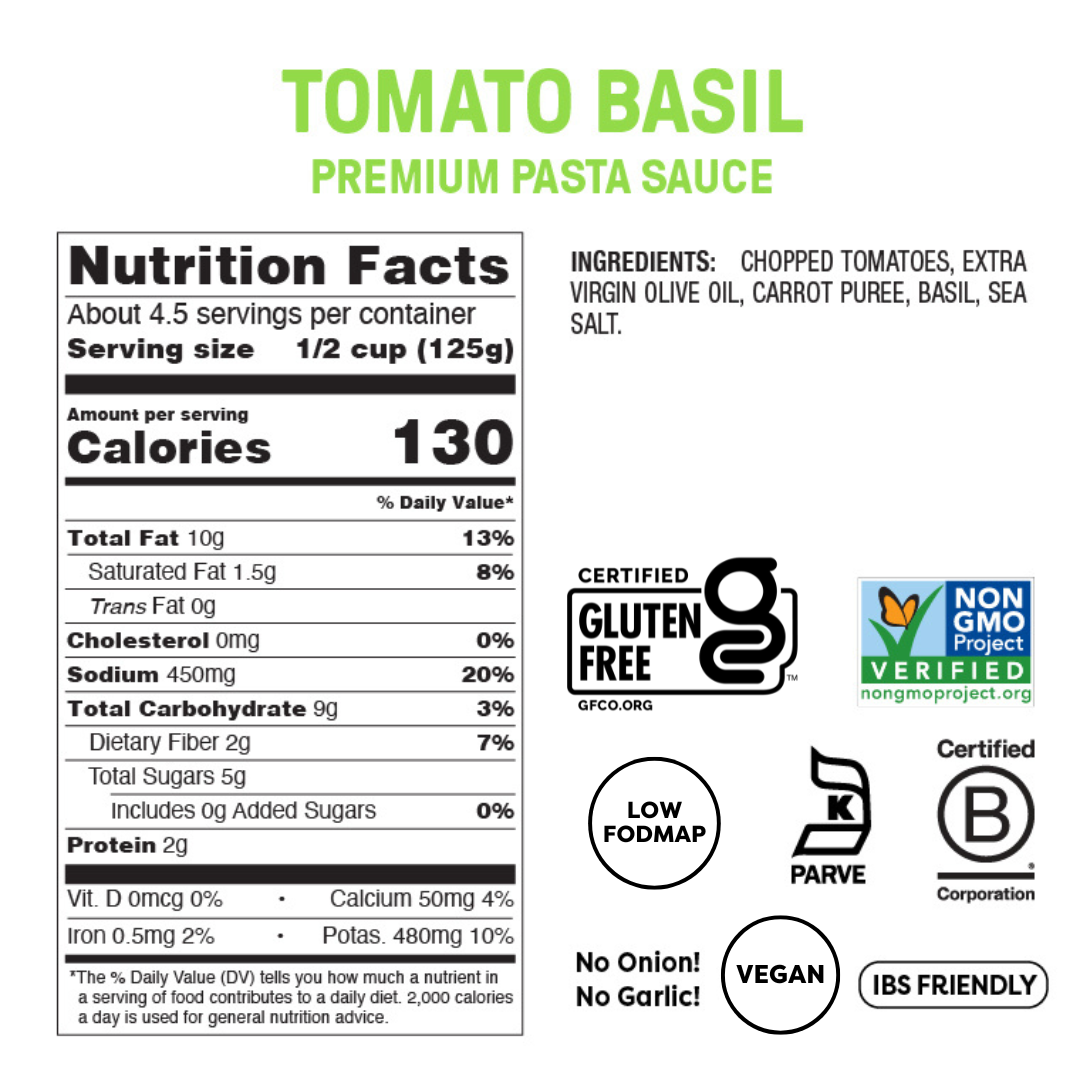
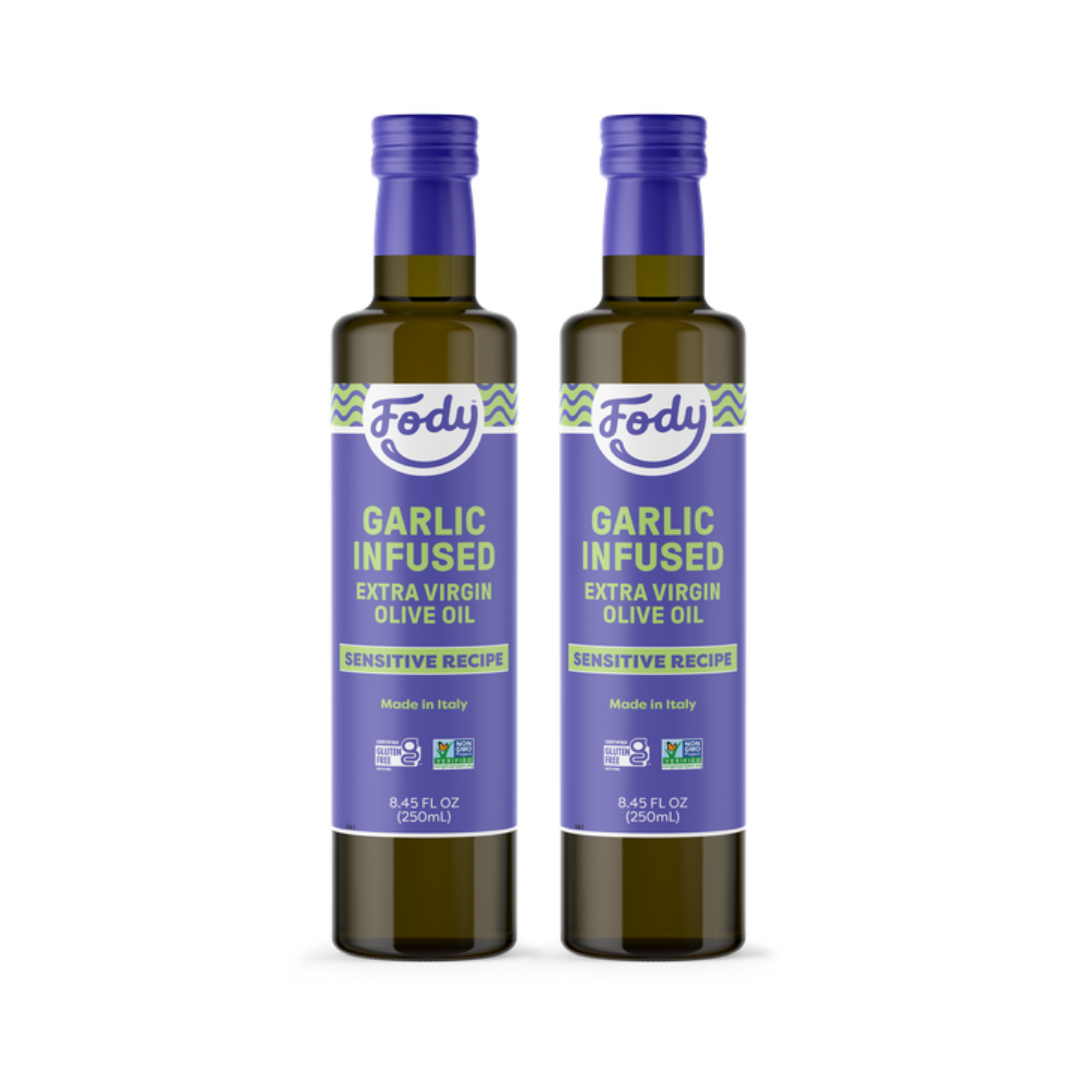
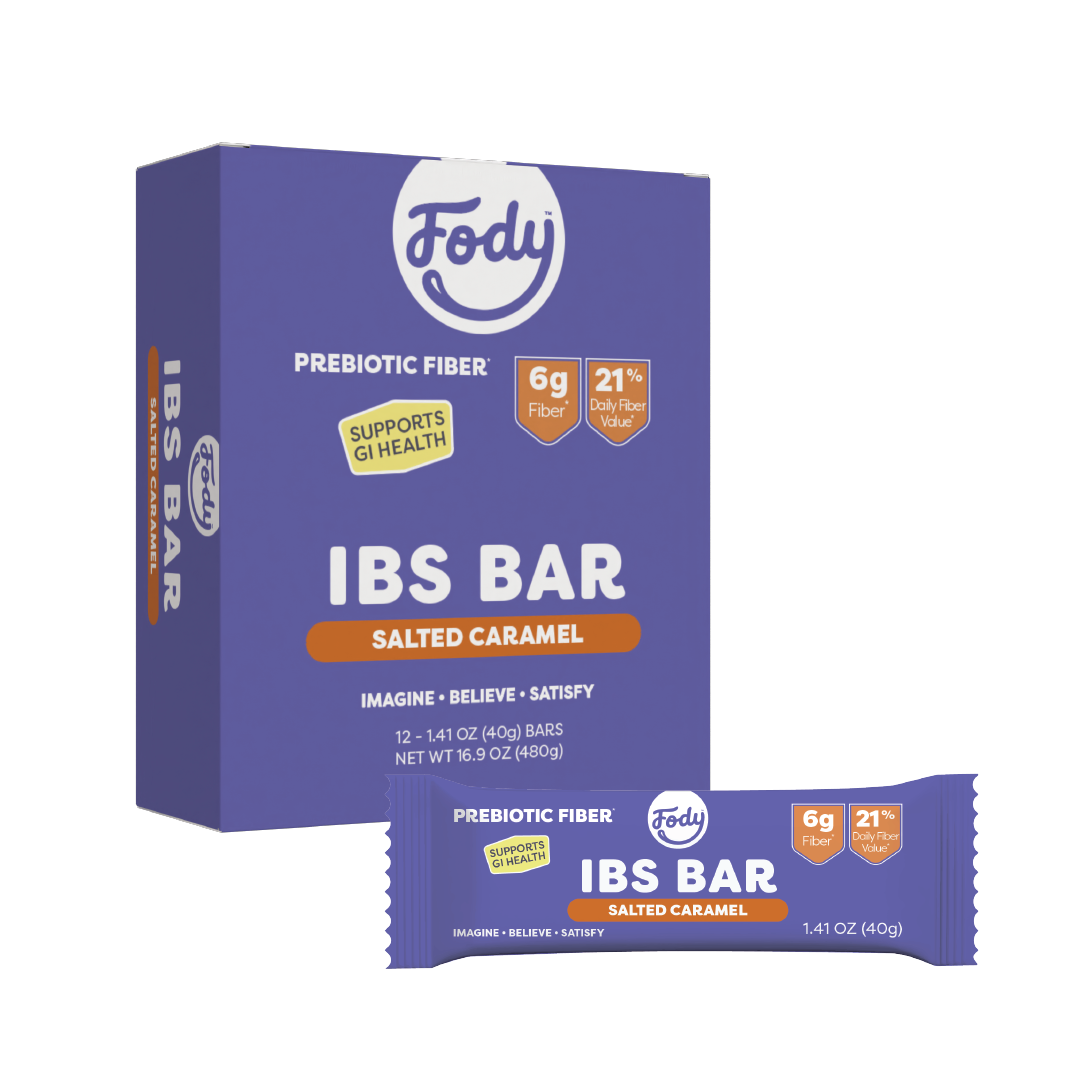
When you see the term certified Low FODMAP, it means more than just a marketing claim. Certified Low FODMAP products have undergone third-party laboratory testing to verify that they fall below established FODMAP thresholds per serving.
Understanding what Low FODMAP means is especially important when comparing brands. A product can be gluten-free or dairy-free and still contain high-FODMAP ingredients such as onion, garlic, or certain sweeteners. Low FODMAP vs gluten-free are not the same. Gluten-free products remove gluten, while Low FODMAP certified products are tested for specific fermentable carbohydrates that may trigger symptoms in sensitive individuals.
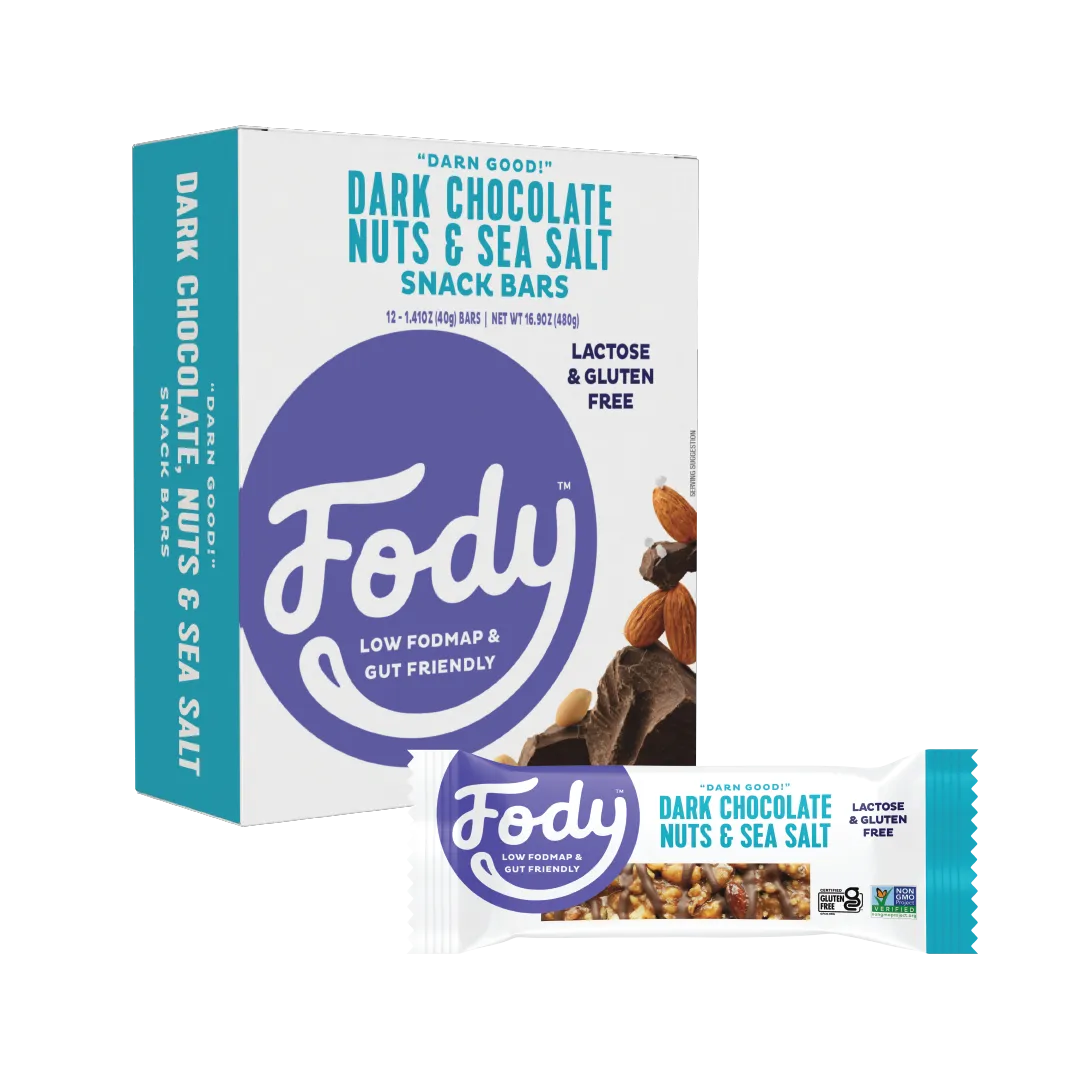
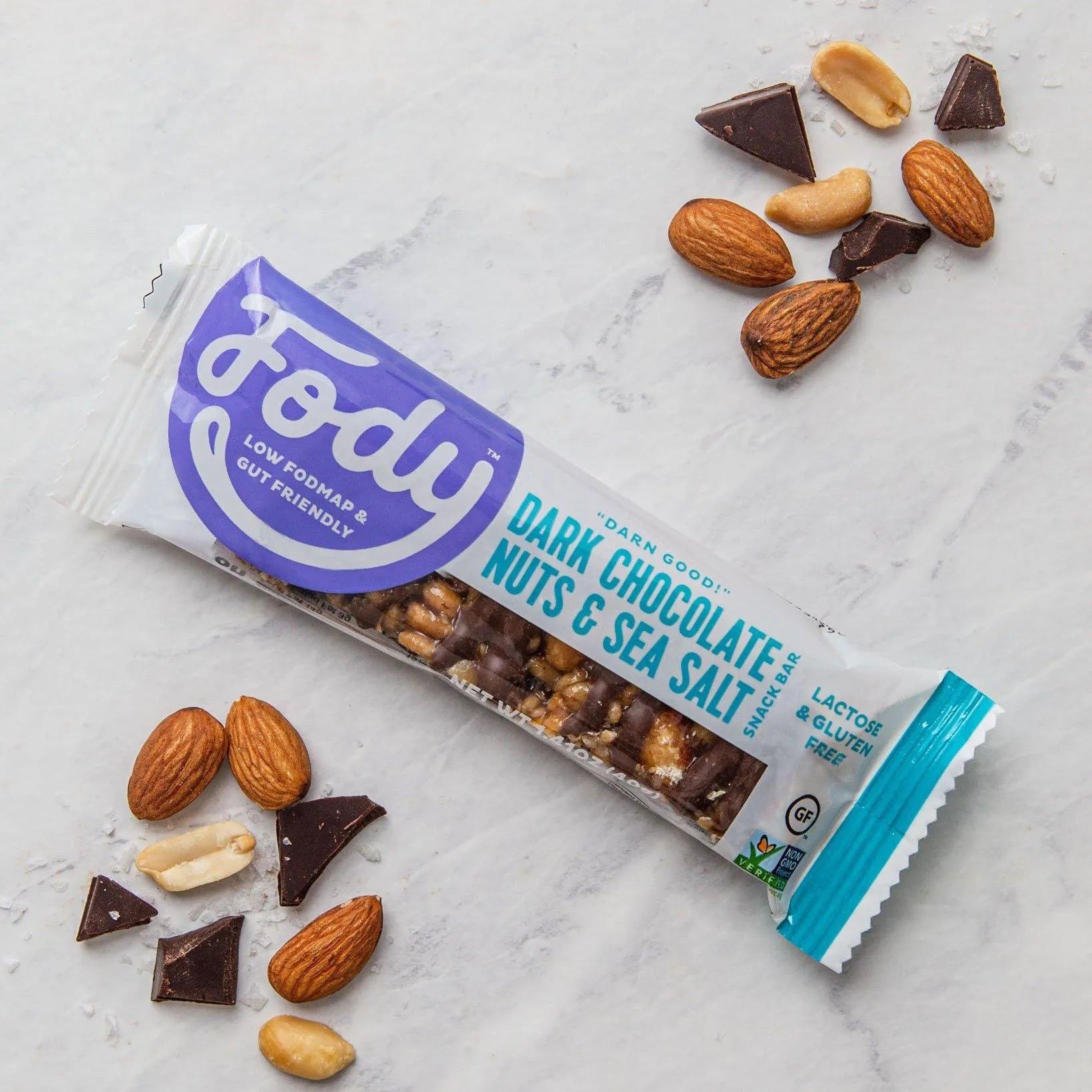
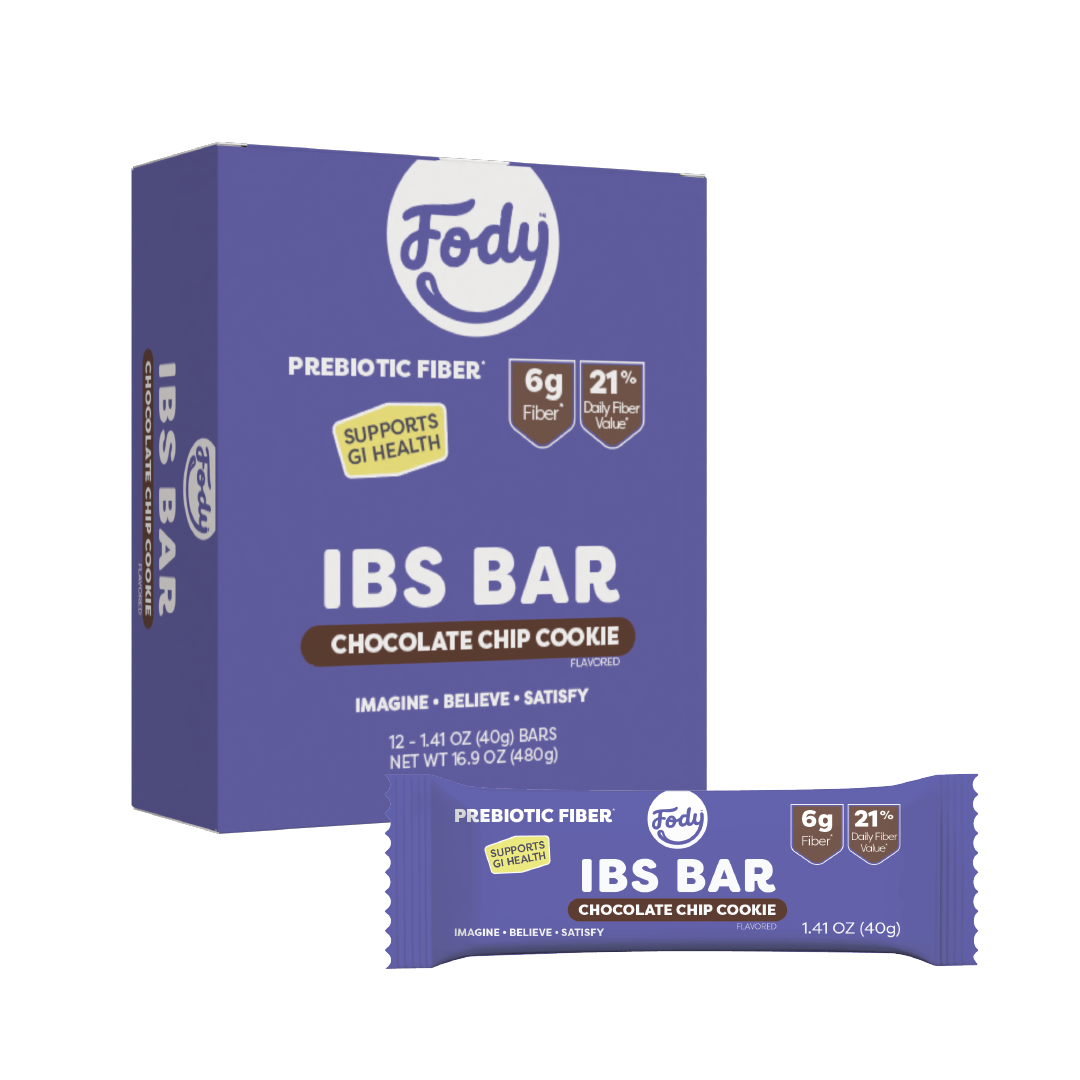
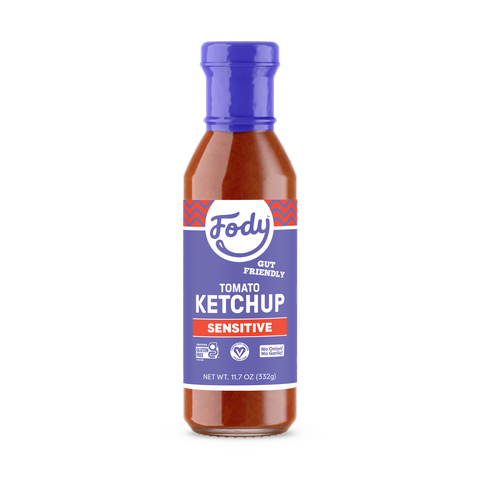
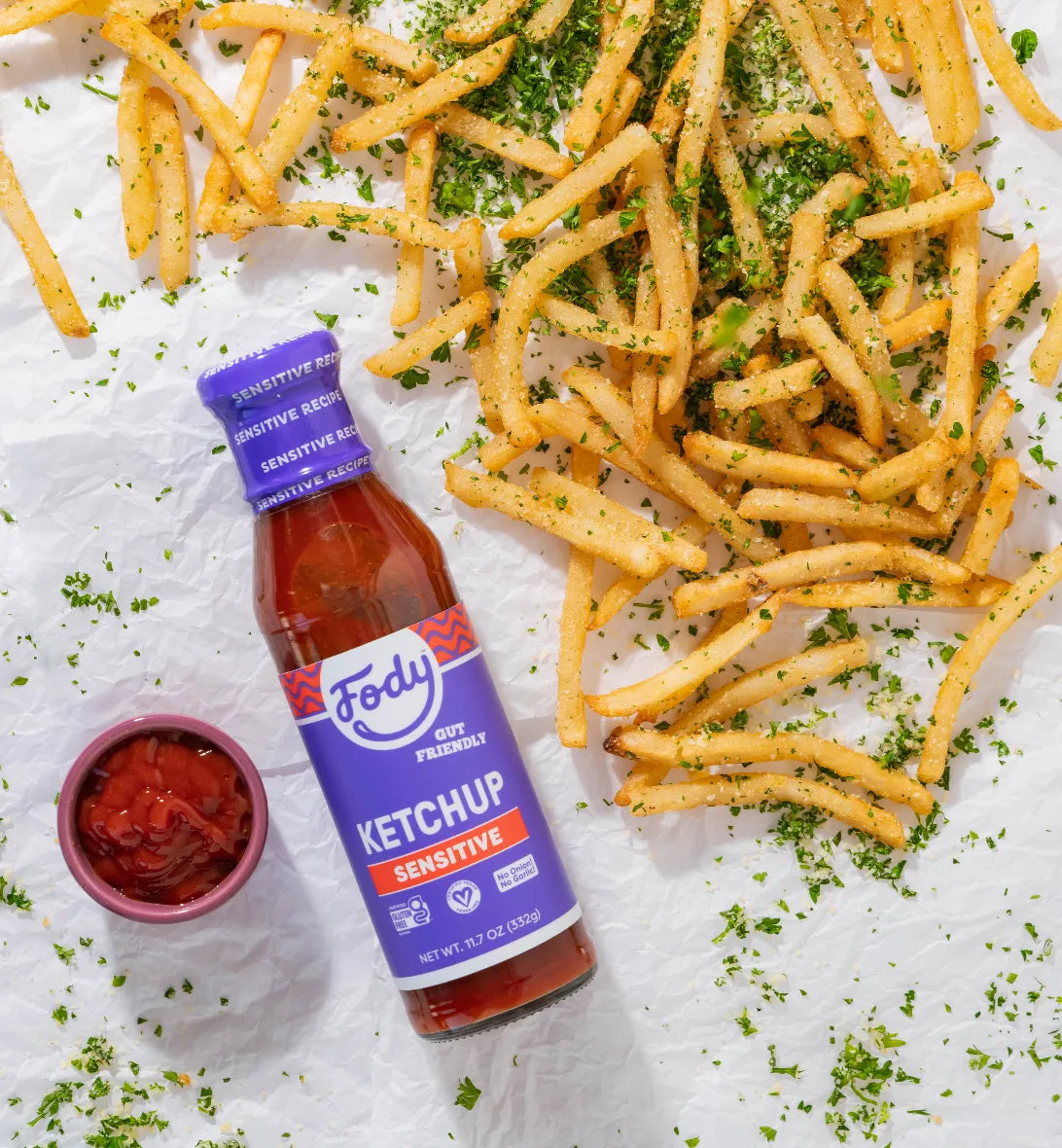
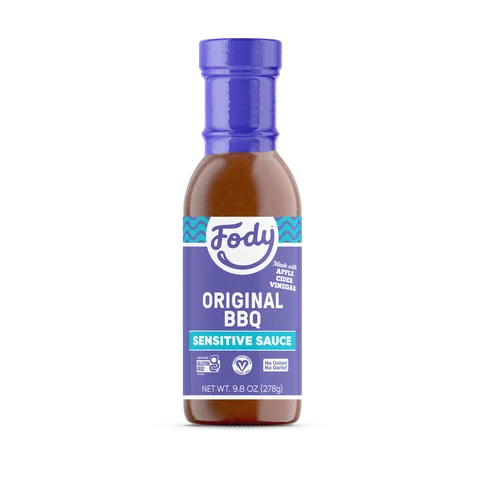
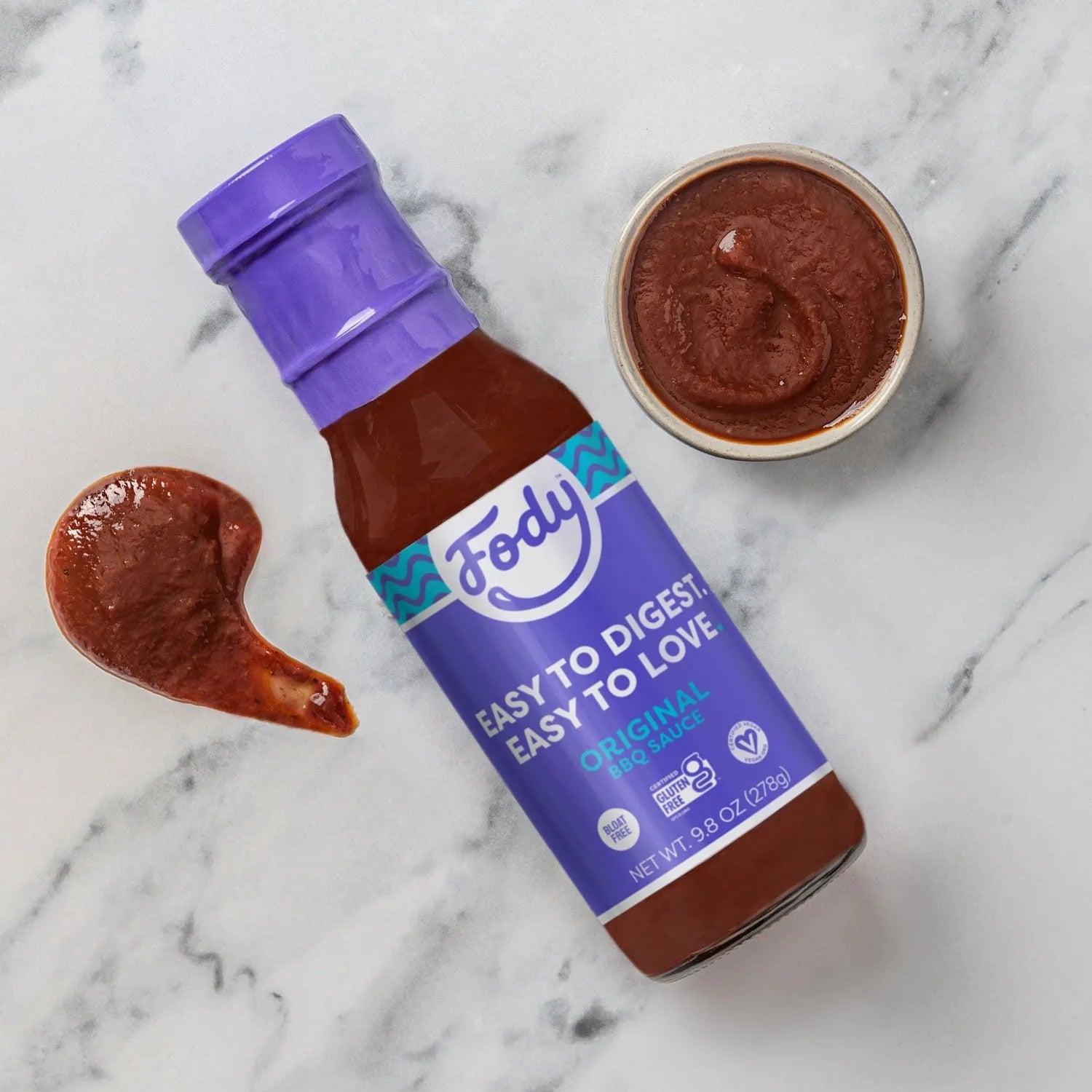
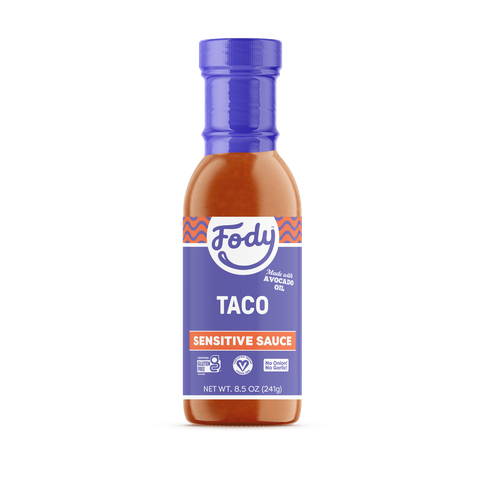
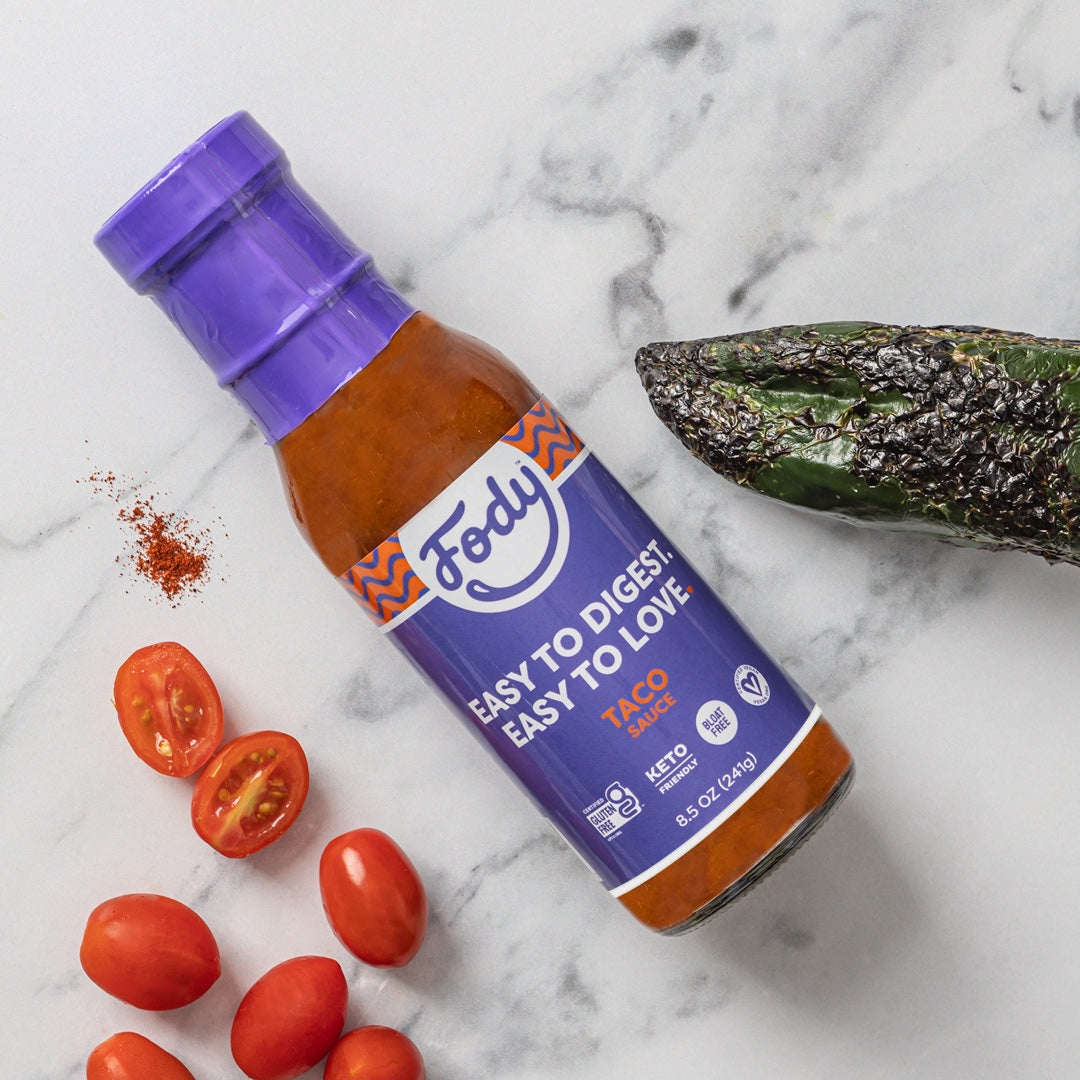
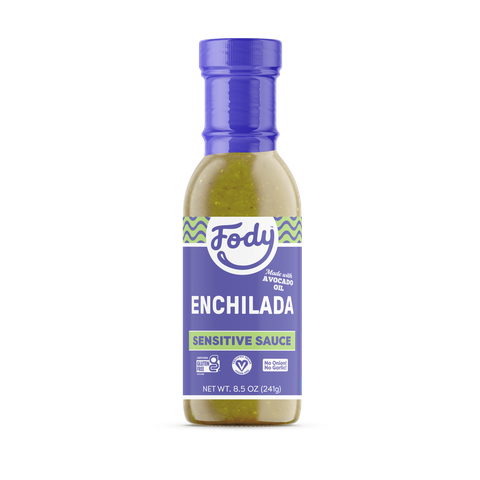
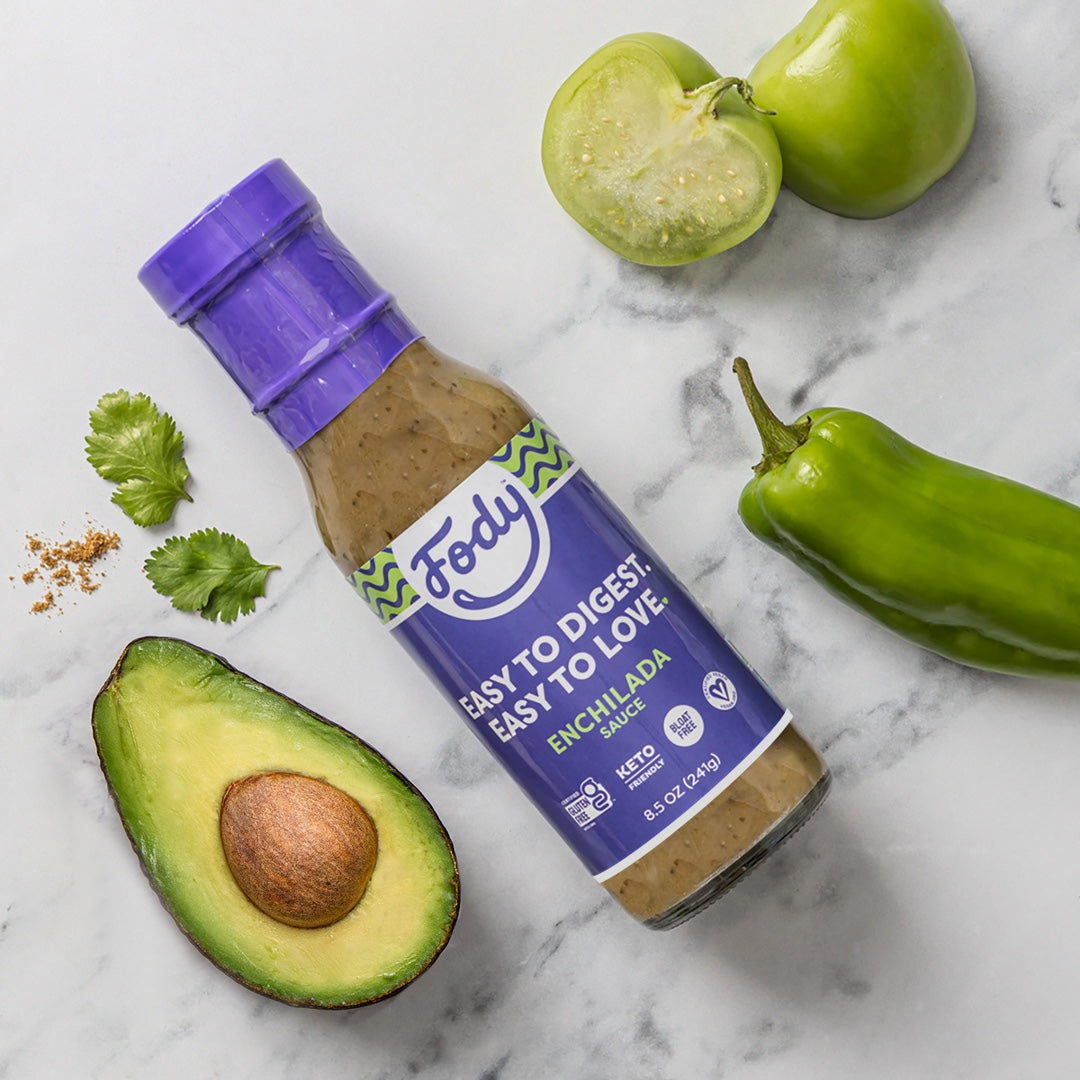
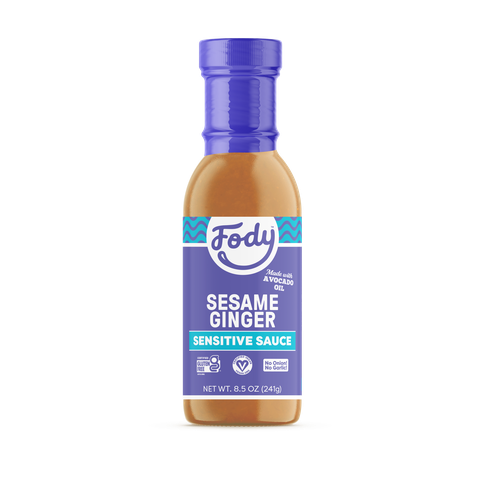
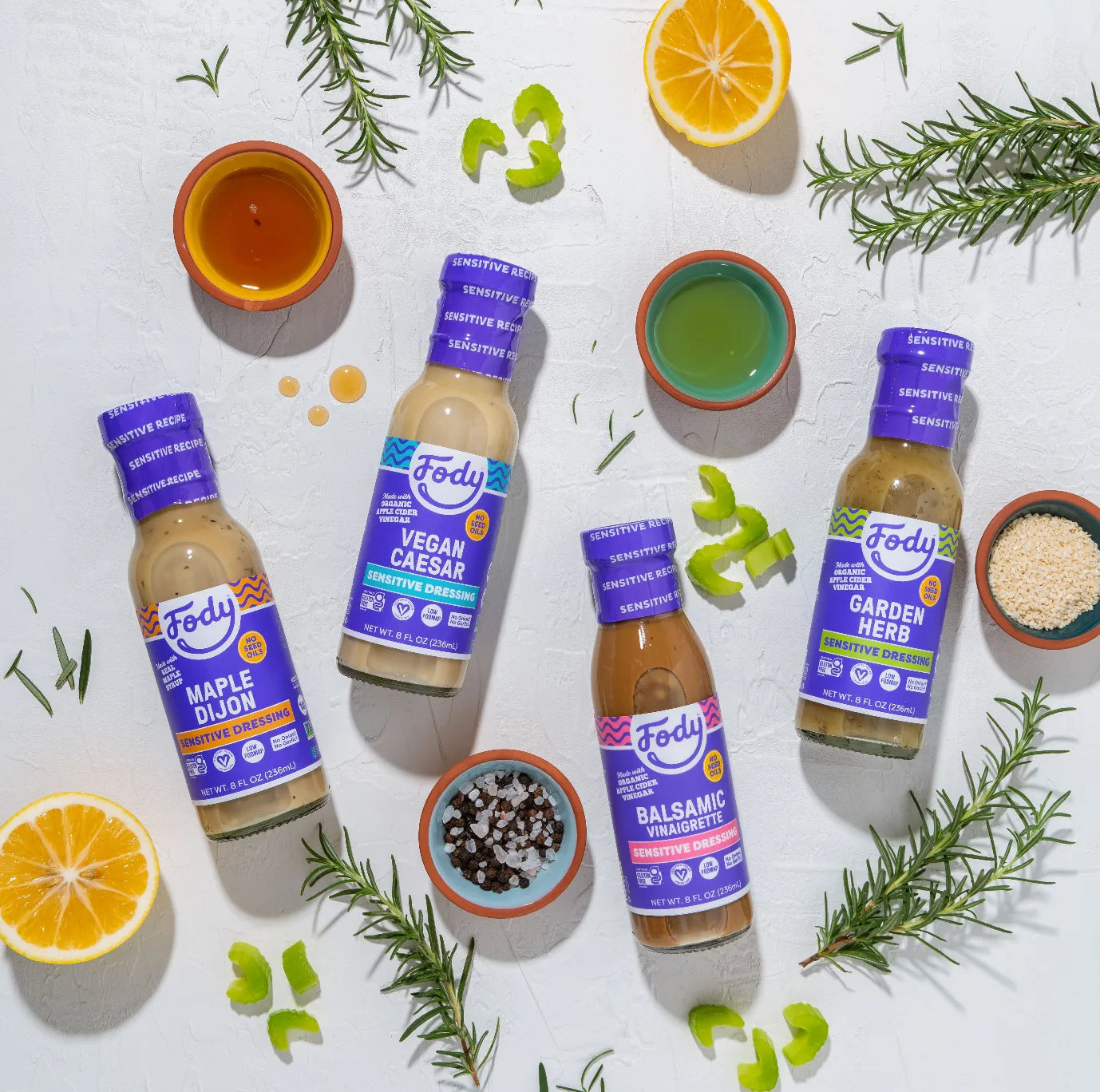
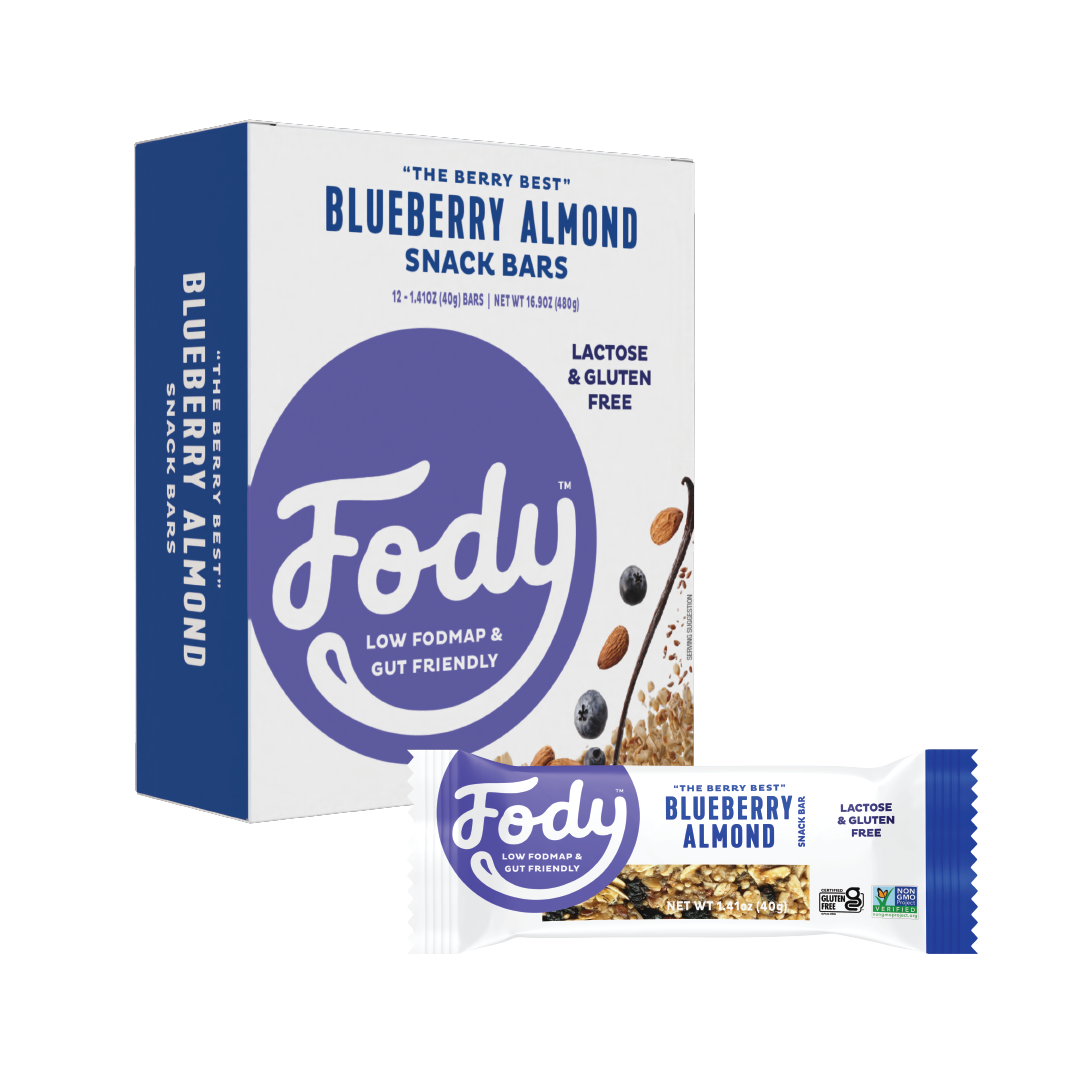
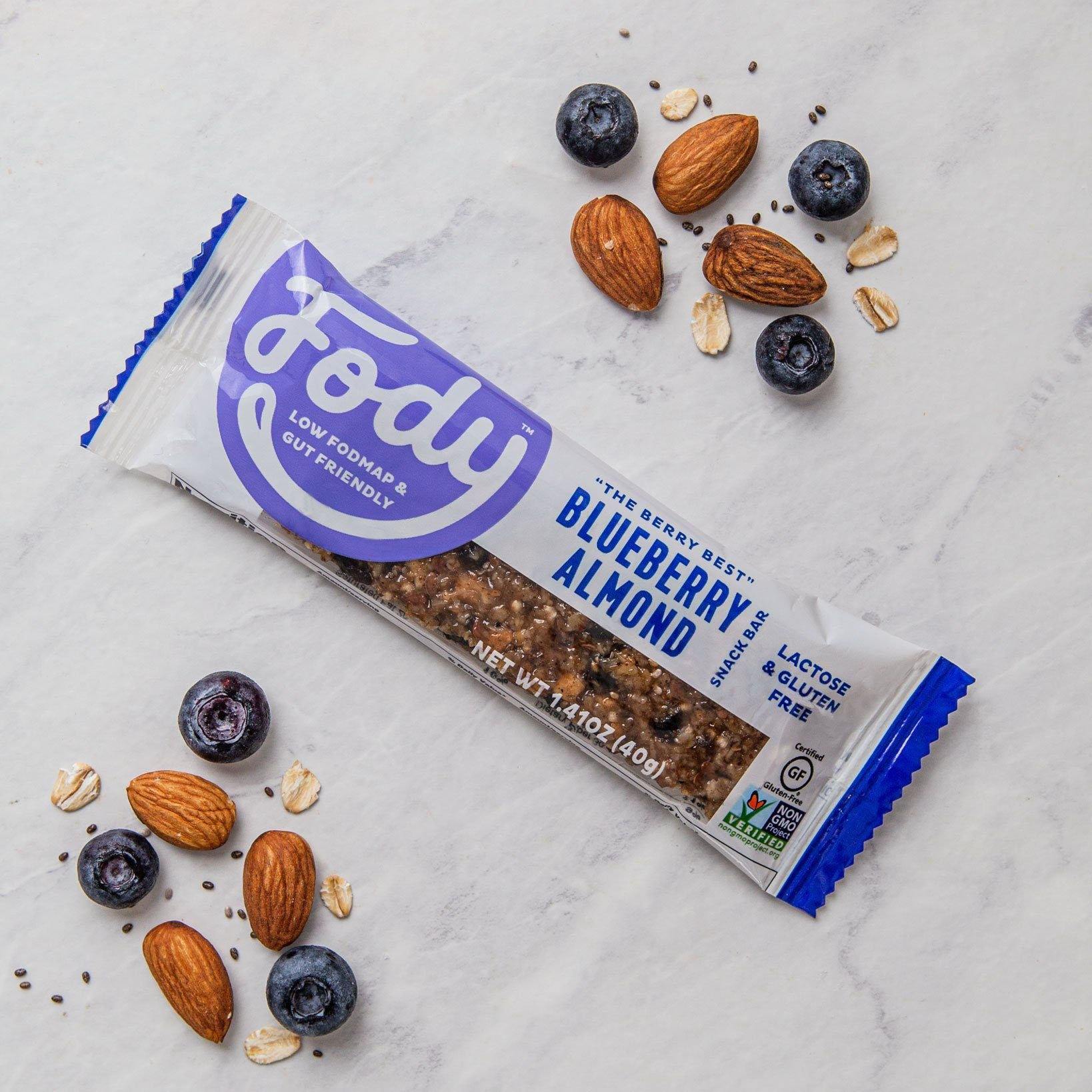
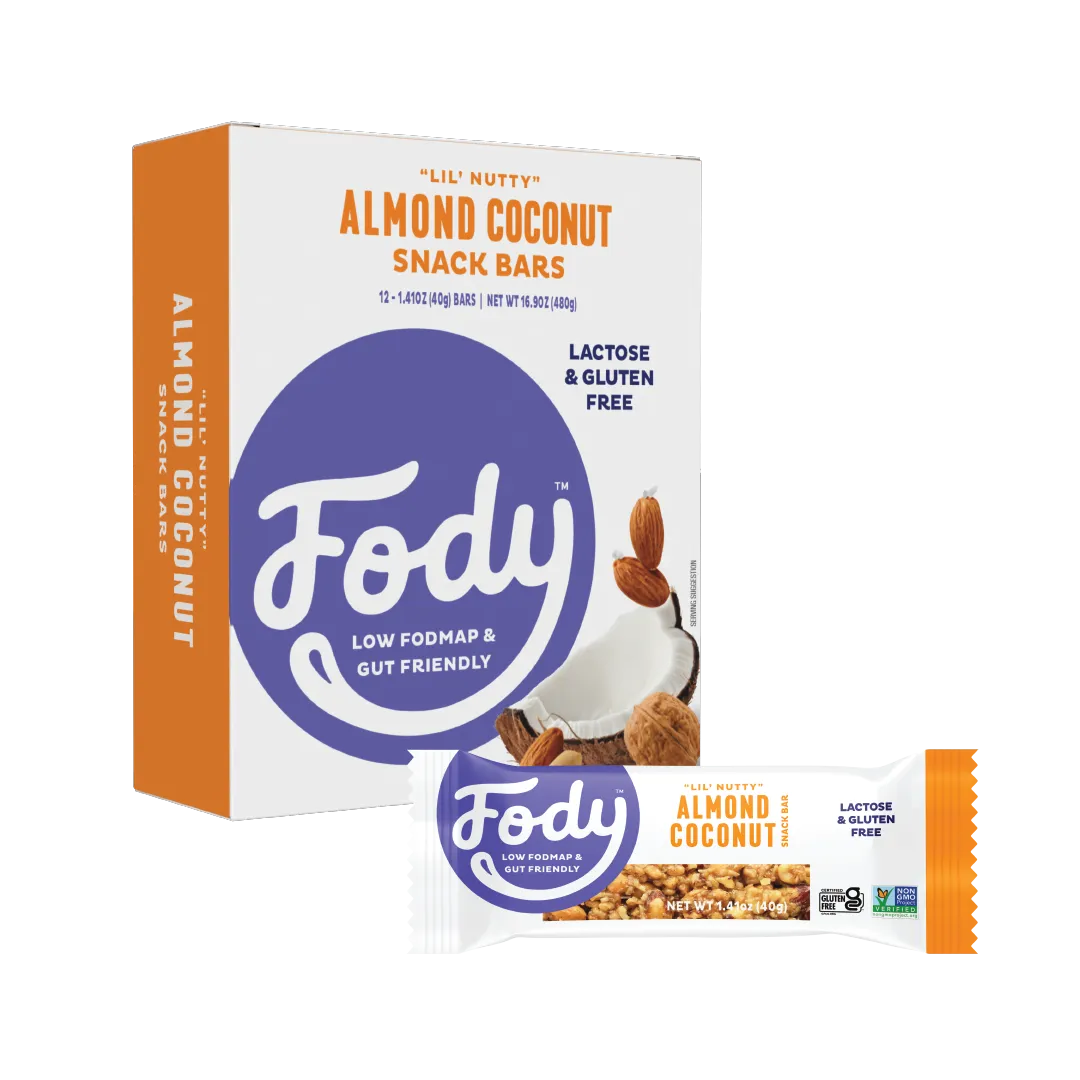
Fody’s Low FODMAP-certified products are tested and certified to ensure they meet these recognized standards. That certification removes the guesswork from grocery shopping and provides peace of mind for anyone looking for certified Low FODMAP options or Low FODMAP-certified foods they can trust.
Who Benefits from Low FODMAP Foods?
The Low FODMAP diet was originally developed to help people diagnosed with IBS. For those following a Low FODMAP diet for IBS, choosing certified products can make daily meals easier and more predictable.
People with SIBO may also explore Low FODMAP strategies to reduce fermentable carbohydrates during certain phases of care. Others experiencing chronic bloating, gas, or digestive discomfort often turn to a Low FODMAP diet for support as part of a structured plan guided by a healthcare professional.
The Low FODMAP diet includes three phases: elimination, reintroduction, and personalization. During the elimination phase, many shoppers look specifically for IBS-friendly food and convenient, safe pantry staples that have already been tested and certified.
Family members and caregivers may also use this collection when shopping for someone following the diet. And while the Low FODMAP diet is most commonly associated with IBS, some shoppers simply prefer foods made without onion or garlic and with clean, straightforward ingredient lists.
If you are wondering who should follow a Low FODMAP diet, the best approach is to consult a registered dietitian or healthcare provider. For those advised to follow a Low FODMAP diet, access to trusted, certified products makes everyday cooking and snacking simpler and more enjoyable.