




Supporting Gut Health During Appetite Changes on GLP-1 Drugs
Starting a GLP-1 medication often comes with noticeable changes in appetite and digestion. For many people, eating less can feel empowering at first, but it can also raise new questions about gut comfort, nutrient intake, and digestive balance. If you are navigating nausea, constipation, bloating, or unpredictable digestion, you are not alone.
This guide focuses on gut health and GLP-1 support. You will learn how these medications affect digestion, why side effects happen, and how thoughtful food choices can support digestive comfort while appetite is reduced. The goal is practical GLP-1 digestive support that works with your medication, not against it.
How GLP-1 Medications Affect Your Gut
GLP-1 medications belong to a class called GLP-1 receptor agonists. These include semaglutide, tirzepatide, and liraglutide. They are designed to mimic the effects of the naturally occurring GLP-1 hormone that your gut releases after you eat.
One of the main ways these medications work is by slowing gastric emptying. Food moves more slowly from the stomach into the intestines, which helps you feel full longer and supports appetite control. While this is beneficial for weight management and blood sugar regulation, it also changes how digestion feels day to day.
When food stays in the digestive tract longer, fermentation patterns can shift. This can affect gas production, bowel movement frequency, and overall gut comfort. Reduced meal size also means the gut microbiome receives less total fuel, which may influence bacterial balance over time.
The gut microbiome plays an important role here. As digestion slows and intake decreases, the types and amounts of bacteria in the gut can change. This is why gut health GLP-1 strategies often focus on food quality, not just calories.
Common Digestive Side Effects of GLP-1s
Digestive side effects are among the most common experiences reported with GLP-1 medications. Understanding why they happen can make them feel more manageable.
Nausea is especially common during dose increases. Slower gastric emptying means food remains in the stomach longer, which can trigger queasiness. This often improves as the body adapts to the medication.
Constipation is another frequent concern. Reduced appetite usually leads to eating less food overall, including less fiber. Combined with slower gut motility, this can make bowel movements less regular. This is why GLP-1 constipation foods and hydration strategies matter.
Bloating can occur when digestion slows and food ferments longer in the intestines. Gas production may increase, especially if meals include ingredients that are harder to digest.
Diarrhea is less common but can happen as the gut adjusts to altered motility and fermentation patterns. For most people, side effects are dose-dependent and tend to improve with time and dietary adjustments.
When to Talk to Your Healthcare Provider
Some digestive symptoms should be discussed with a healthcare professional. Persistent vomiting, severe constipation lasting several days, ongoing diarrhea, or difficulty eating enough food may require medical guidance.
If symptoms interfere with daily life or prevent adequate nutrition, it is important to seek support rather than pushing through discomfort.
The Gut Microbiome and GLP-1: What the Research Shows
Emerging research suggests that GLP-1 medications may influence the gut microbiome in meaningful ways. Studies have observed changes in gut microbiota composition during treatment, including shifts in bacteria linked to metabolic health.
Some research points to increases in Akkermansia muciniphila, a bacterium associated with improved insulin sensitivity and gut barrier function. Changes in Bifidobacterium and Lactobacillus populations have also been noted, although findings vary.
Short-chain fatty acids such as butyrate are another area of interest. These compounds are produced when gut bacteria ferment fiber, and they support colon health and metabolic signaling. Reduced food intake may lower overall fiber exposure if diet quality is not prioritized.
While the science is still evolving, one pattern is clear. A diverse, well-nourished microbiome may support GLP-1 activity and overall digestive comfort. This is why GLP-1 microbiome support through food choices matters.
Foods That Support Gut Health While on GLP-1 Medications
Food selection plays a major role in GLP-1 digestive support. When appetite is lower, every bite matters more.
Fiber-rich foods help feed beneficial gut bacteria and support regular digestion. Protein supports muscle preservation during reduced calorie intake. Foods that are easy to digest can help minimize discomfort while still providing nutrients.
Cooked vegetables are often easier to tolerate than raw ones. Fermented foods can support microbial balance, but portions should be modest and adjusted to individual tolerance. Lean proteins such as eggs, fish, poultry, and tofu are generally well tolerated and nutrient-dense.
Gentle, Low-FODMAP Options for Sensitive Stomachs
Low FODMAP foods are designed to reduce fermentable carbohydrates that can cause gas and bloating. For people on GLP-1 medications with slowed digestion, this approach can be especially helpful.
Examples include cooked carrots, zucchini, spinach, firm tofu, eggs, oats, rice, and potatoes. These foods are easier to digest and less likely to contribute to bloating when portions are modest.
Fody products are made without onion or garlic and are certified Low FODMAP. They offer ready-made options that remove guesswork while supporting gut-friendly eating during appetite changes.
High-Fiber Foods to Keep Things Moving
Soluble fiber is often better tolerated than insoluble fiber during GLP-1 treatment. Oats, chia seeds, cooked vegetables, and certain fruits can help support bowel regularity.
Fiber should be increased gradually. Adding too much too quickly can worsen bloating. Pairing fiber with adequate hydration is essential for comfort and effectiveness.
Foods to Limit or Avoid on GLP-1 Medications
Some foods are more likely to worsen digestive discomfort when gastric emptying is slowed.
High-fat and fried foods tend to sit longer in the stomach and can intensify nausea. Sugary foods and drinks may contribute to stomach upset and uneven energy levels.
Spicy foods can aggravate reflux, which some people notice more on GLP-1 medications. Alcohol offers little nutritional value and may interact poorly with appetite and digestion changes.
Large portions can be challenging to digest when appetite is reduced. Smaller servings are generally easier on the gut.
Eating Strategies When Appetite Is Low
When hunger signals are muted, structure becomes important. Smaller, more frequent meals are often better tolerated than three large meals.
Prioritizing protein and nutrient-dense foods at each eating opportunity helps support long-term health. Smoothies, soups, and soft foods can be useful when solid meals feel overwhelming.
Eating slowly and stopping when comfortably satisfied helps avoid discomfort. Hydration deserves special attention, as GLP-1 medications can reduce thirst cues.
Sample Meal Ideas for GLP-1 Users
Breakfast might include Greek yogurt with berries or scrambled eggs with spinach. Lunch could be grilled chicken with cooked vegetables or a quinoa bowl with tofu.
Snacks may include Fody bars, nut butter with banana, or a simple smoothie. Dinner ideas include baked fish with roasted carrots and rice.
Why Low-FODMAP Foods May Be Your Gut's Best Friend on GLP-1s
FODMAPs are fermentable carbohydrates that can cause gas and bloating in some people. With slowed digestion, GLP-1 users may be more susceptible to this type of discomfort.
Low FODMAP foods are chosen to be easier to digest and gentler on the gut. This approach can help manage bloating and gas without eliminating entire food groups or sacrificing nutrition.
Using certified Low FODMAP products simplifies food choices. Fody’s products are designed to support digestive comfort while fitting seamlessly into everyday meals.
Supporting the Gut-Brain Connection During GLP-1 Treatment
GLP-1 receptors are found in both the gut and the brain. They influence appetite, fullness, and how satisfying food feels.
The vagus nerve carries signals between the gut and brain, playing a role in mood and cravings. Supporting gut health can help stabilize these signals during treatment.
Mindful eating practices can help you reconnect with hunger and fullness cues as they change. Managing stress also supports both digestive health and medication effectiveness.
Building Sustainable Gut-Healthy Habits on GLP-1s
GLP-1 medications are a powerful tool, but they are not a complete solution on their own. Diet quality influences long-term outcomes during and after treatment.
Focusing on nutrient density, muscle preservation, and digestive comfort supports lasting health. Choosing foods you enjoy and can maintain over time matters more than perfection.
Working with healthcare providers or dietitians can help personalize strategies as your needs evolve. Gut health GLP-1 support is most effective when it fits your life and feels sustainable.
FAQ
Why do GLP-1 medications cause digestive changes like nausea or constipation?
GLP-1 medications work by slowing gastric emptying, which means food stays in the stomach and intestines longer. This extended digestion supports fullness and appetite control, but it can also affect gut motility and fermentation. When food moves more slowly, nausea can occur, especially during dose increases. Eating less overall can reduce fiber intake, contributing to constipation. Changes in how food is broken down may also increase bloating. These effects are common, dose-dependent, and often improve over time with supportive eating habits and thoughtful food choices.
How can I support gut health when my appetite is very low on GLP-1 drugs?
When appetite is reduced, food quality becomes more important than quantity. Prioritize nutrient-dense foods such as lean protein, cooked vegetables, and gentle fiber sources. Smaller, more frequent meals are often easier to tolerate than large portions. Soluble fiber, hydration, and easy-to-digest foods can support regular digestion. Smooth textures like yogurt, soups, or smoothies may feel more comfortable when solid meals are unappealing. Supporting gut health on GLP-1 medications is about consistency, balance, and choosing foods that work with slower digestion.
Are Low FODMAP foods helpful for people taking GLP-1 medications?
Low FODMAP foods can be especially helpful for GLP-1 users experiencing bloating or digestive discomfort. FODMAPs are fermentable carbohydrates that can produce gas during digestion. Because GLP-1 medications slow digestion, these effects may feel more noticeable. Low FODMAP foods are selected to be easier to digest and gentler on the gut. This approach can support comfort without removing entire food groups. Certified Low FODMAP products, including Fody's, simplify choices and help reduce guesswork while supporting gut-friendly eating.
Should I change how I eat long-term while using GLP-1 medications?
GLP-1 medications are most effective when paired with sustainable eating habits. While appetite changes may be temporary, building routines that support digestion, nutrient intake, and muscle preservation is important for long term health. Focus on foods you enjoy, prioritize protein and fiber, and listen to evolving hunger and fullness cues. Eating slowly, staying hydrated, and managing stress all support the gut-brain connection. Long-term success comes from habits you can maintain, not restrictive rules. Personalized guidance from a healthcare provider can also be valuable.
So, what are you waiting for?
Shop from some of our best selling, low FODMAP foods.
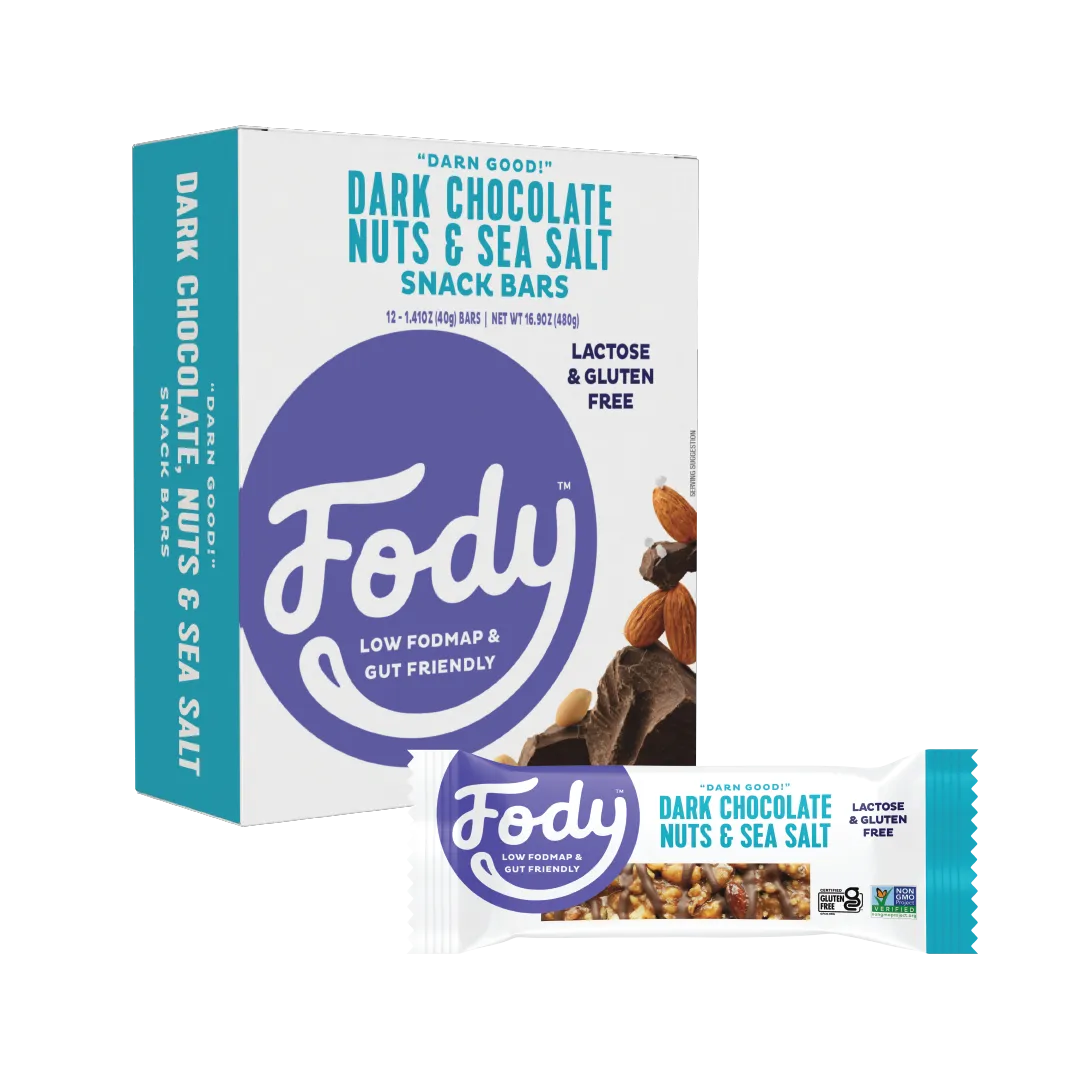
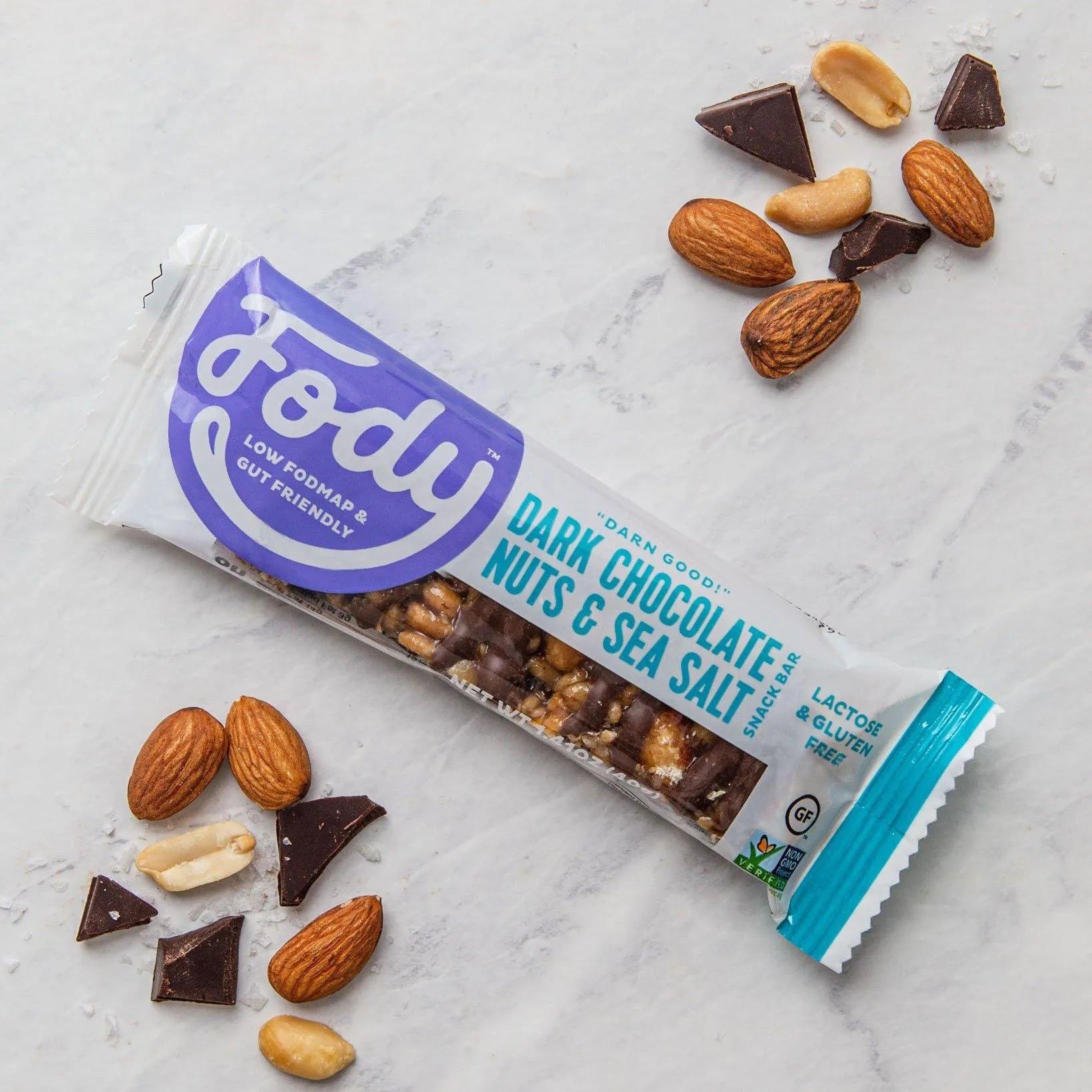 Dark Chocolate Nuts & Sea Salt Snack Bars - Box of 12
Dark Chocolate Nuts & Sea Salt Snack Bars - Box of 12
$27.99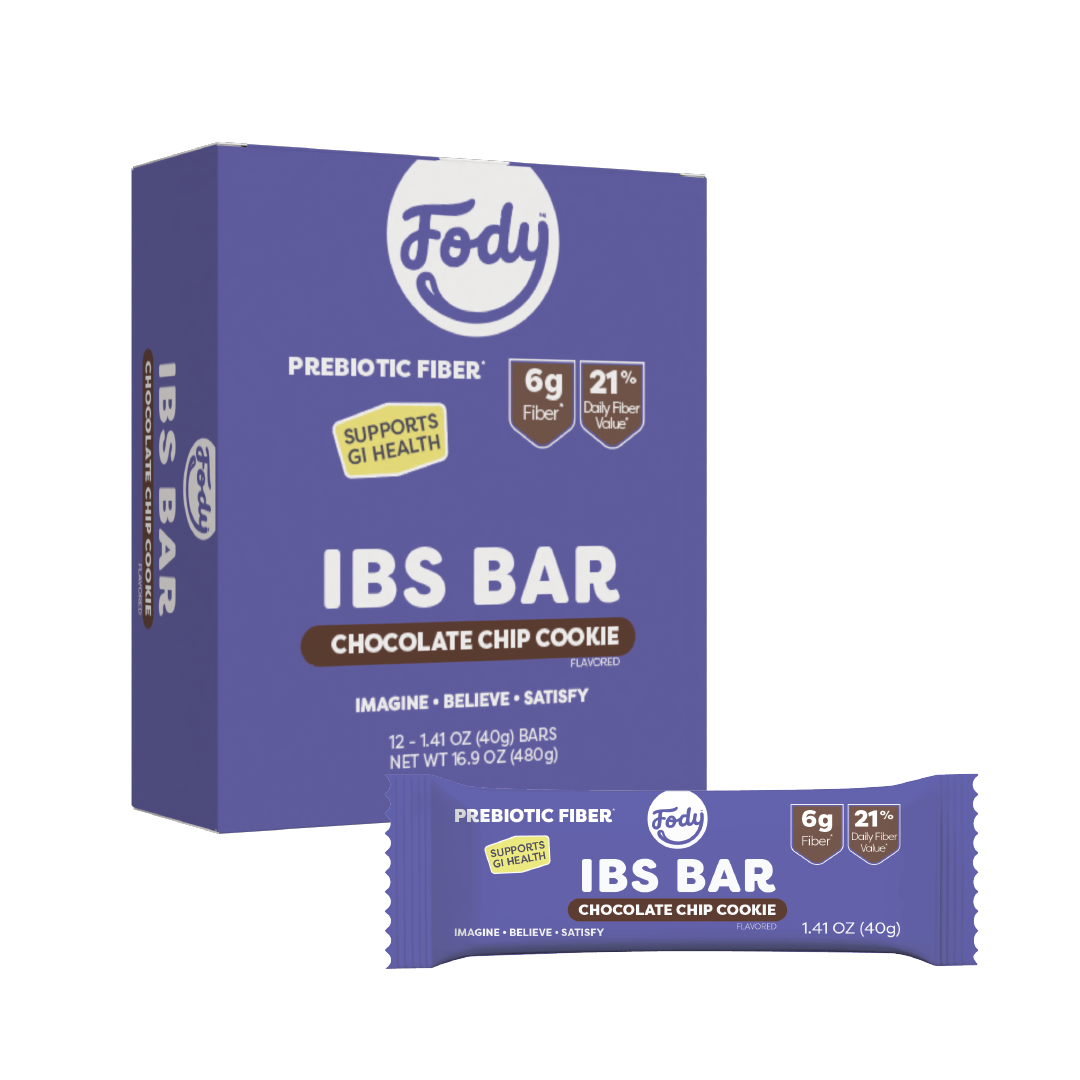
 Chocolate Chip Cookie High Fiber Snack Bar - 12 Pack
Chocolate Chip Cookie High Fiber Snack Bar - 12 Pack
$29.99


