




How to Build a Balanced Plate While Using GLP-1 Medications
Starting a GLP-1 medication can change your relationship with food almost overnight. Appetite drops, portions shrink, and meals that once felt normal may suddenly feel overwhelming. If you are wondering what to eat on GLP-1 medications to feel nourished without worsening side effects, you are not alone.
A thoughtful GLP-1 diet is not about eating less just for the sake of it. It is about building balanced, nutrient-dense meals that support your body while working with appetite suppression and slower digestion. In this guide, you will learn how to build a balanced plate while using GLP-1 medications, with practical strategies for portion sizes, protein intake, digestive comfort, and gut-friendly choices that make every bite count.
Why Your Plate Matters More on GLP-1 Medications
GLP-1 medications like semaglutide, Ozempic, Wegovy, and Mounjaro work by mimicking a natural hormone that regulates appetite and blood sugar. One of their primary effects is appetite suppression, along with slowed gastric emptying. As a result, you feel full faster and stay full longer, often eating significantly less than before.
When overall intake drops, the quality of what you eat becomes far more important. With fewer bites available, each meal needs to deliver essential nutrients like protein, fiber, vitamins, and minerals. A poorly balanced plate can leave you undernourished even if weight loss continues.
Food choices also play a role in how well you tolerate GLP-1 therapy. Heavy, greasy, or low-quality foods can worsen common GI side effects such as nausea, bloating, and constipation. In contrast, intentional meal building supports smoother digestion and more consistent energy.
Strategic eating is also linked to long-term success. Research shows that approximately 12 percent of patients pause or discontinue GLP-1 treatment due to digestive discomfort. Building meals that support nutrient density and digestive comfort can help improve adherence and overall results.
The Balanced Plate Model for GLP-1 Users
The balanced plate model offers a simple, visual framework for GLP-1 meal planning. It removes the need for calorie counting or complex tracking while ensuring nutritional coverage even with smaller portions.
Half of your plate should come from non-starchy vegetables such as broccoli, spinach, and carrots. These foods provide fiber, micronutrients, and volume without excessive calories.
One quarter of the plate should focus on lean protein. Protein is critical for muscle preservation during weight loss and helps support metabolism and fullness.
The remaining quarter should include complex carbohydrates like whole grains or starchy vegetables. These provide sustained energy and help prevent fatigue that can accompany reduced intake.
This 50/25/25 ratio ensures nutrient density and balance, even when meals are smaller than before. It also offers flexibility, allowing you to adjust portion size while keeping structure intact.
Adjusting the Model for Very Low Appetite Days
Some days, especially during dose increases, eating may feel more challenging. On low appetite days, prioritize protein first, as it is the most difficult nutrient to make up later.
Combining plate elements into single-dish meals can help. Soups, bowls, and stir-fries allow vegetables, protein, and carbohydrates to be eaten together in smaller amounts.
Splitting meals into smaller portions eaten every two to three hours can also make intake more manageable. Liquid or soft options like smoothies may feel easier to tolerate when solid foods feel heavy.
Protein: Your Most Important Priority on GLP-1 Therapy
Protein intake is a cornerstone of any effective GLP-1 nutrition guide. Weight loss associated with GLP-1 medications can include muscle mass loss if protein intake is insufficient.
A general target is at least 60 grams of protein per day, with an ideal range of 25 to 30 grams per meal. This supports muscle preservation, metabolic health, and physical strength as weight decreases.
Protein also contributes to satiety, helping you feel satisfied with smaller portions. Including a protein source at every meal and snack helps maintain consistent intake even when appetite fluctuates.
Best Protein Sources for GLP-1 Meal Planning
Lean protein options tend to be better tolerated and easier to digest on GLP-1 therapy. Poultry such as chicken breast or turkey works well for many people.
Fish like salmon, cod, or tilapia provide high-quality protein with varying fat levels to suit tolerance. Eggs are versatile, nutrient-dense, and easy to prepare in small portions.
Plant proteins such as tofu and tempeh are naturally Low FODMAP and often well tolerated. Legumes can be included with attention to portion size and individual tolerance.
Dairy options like Greek yogurt or cottage cheese can be helpful, especially lactose-free versions for those who are sensitive. Protein supplements may also be useful when whole food intake is limited.
Foods to Prioritize on a GLP-1 Diet
When deciding on GLP-1 foods to eat, focus on nutrient-dense options that support digestion, energy, and overall health.
Vegetables should form the foundation of meals. Their fiber content supports digestion and helps regulate bowel movements while providing vitamins and minerals.
Whole grains such as oats, quinoa, and brown rice offer sustained energy and help prevent blood sugar swings. These complex carbohydrates are especially useful when appetite is low and energy needs remain high.
Healthy fats like avocado, olive oil, nuts, and seeds support satiety and nutrient absorption. Small amounts go a long way when portions are reduced.
Fruits, including berries and citrus, provide antioxidants and vitamins without excessive sugar. Lean proteins remain essential at every meal.
Hydrating foods like soups, cucumbers, and melons support fluid intake, which is especially important when digestion slows.
Foods to Limit or Avoid While Taking GLP-1 Medications
Certain foods can undermine the benefits of a GLP-1 diet or worsen side effects. High-fat and fried foods slow digestion further, often intensifying nausea and discomfort.
Sugary foods and refined carbohydrates provide little nutritional value and can cause blood sugar spikes followed by fatigue. Alcohol offers minimal nutrients and may intensify GI side effects.
Ultra-processed foods tend to be low in fiber and micronutrients, making them less helpful when total intake is reduced. Spicy foods may aggravate GI symptoms in some individuals and are best limited if discomfort appears.
Managing Common GLP-1 Side Effects Through Food Choices
Digestive side effects such as nausea, constipation, and bloating are most common when starting GLP-1 medications or increasing doses. Food texture, temperature, and composition can significantly influence tolerance.
Paying attention to how different foods make you feel can help refine choices. Keeping a simple food diary may help identify patterns and triggers over time.
Reducing Nausea with Gentle Food Choices
Smaller, more frequent meals are often better tolerated than large portions. Bland, easy-to-digest foods can feel more manageable during high-symptom periods.
Room temperature or slightly warm foods are often easier to tolerate than very hot or cold options. Ginger tea may help support digestive comfort.
Avoid eating within two to three hours of bedtime, as lying down too soon after meals can worsen discomfort.
Addressing Constipation on GLP-1 Therapy
Gradually increasing fiber from vegetables, fruits, and whole grains can help support regularity. Sudden increases may worsen bloating, so slow adjustments are key.
Consistent hydration throughout the day supports digestion. Gentle movement, such as walking after meals, can also help stimulate bowel activity.
Choosing fiber sources that are less likely to cause gas or bloating may improve comfort over time.
Why Gut-Friendly, Low FODMAP Foods May Help GLP-1 Users
GLP-1 medications slow gastric emptying, which can worsen bloating and gas in people with digestive sensitivity. High FODMAP foods such as onion, garlic, wheat, and certain fruits and vegetables ferment in the gut, potentially intensifying these symptoms.
Emerging research shows that a Low FODMAP diet can increase circulating GLP-1 levels while reducing IBS symptoms like bloating, gas, and abdominal discomfort. This creates a meaningful connection between gut health and GLP-1 therapy.
For GLP-1 users with pre-existing digestive sensitivity or those experiencing significant GI side effects, Low FODMAP choices may improve tolerance without sacrificing balance. Low FODMAP eating does not mean restrictive. It simply means choosing gut-friendly versions of balanced plate foods that support digestive comfort.
Low FODMAP Swaps for Common GLP-1 Plate Foods
Instead of onion and garlic, use garlic-infused oil, chives, or green onion tops for flavor. Choose sourdough spelt or gluten-free bread instead of wheat-based options.
Swap high FODMAP fruits for strawberries, blueberries, oranges, or kiwi. Replace cauliflower or mushrooms with zucchini, bell peppers, or carrots, in their suggested servings.
Protein sources such as chicken, fish, eggs, and firm tofu are naturally Low FODMAP and easy to include in balanced meals.
Meal Timing and Eating Habits for GLP-1 Success
Meal timing plays an important role in GLP-1 portion sizes and tolerance. Smaller, more frequent meals, typically four to six per day, often work better than two or three large meals.
Eating slowly and pausing between bites allows fullness signals time to register. Avoid eating close to bedtime to reduce reflux and discomfort.
Planning for leftovers is helpful, as you may not finish a typical portion. Cooking ahead supports consistent, balanced eating even on low appetite days.
Hydration Strategies While on GLP-1 Medications
Hydration supports digestion and constipation prevention when gastric emptying slows. Sip water consistently throughout the day rather than consuming large amounts at once.
Herbal teas and infused water can add variety. High-water-content foods such as soups and cucumbers also contribute to fluid intake.
Limiting fluids during meals may help prevent feeling overly full too quickly.
Sample Balanced Plate Ideas for GLP-1 Meal Planning
Concrete meal ideas can make GLP-1 meal planning easier to apply in daily life.
For breakfast, scrambled eggs with sautéed spinach and a slice of sourdough toast offer protein, vegetables, and carbohydrates in balanced proportions.
Lunch might include a grilled chicken salad with mixed greens, cucumber, bell pepper, quinoa, and olive oil dressing.
Dinner could feature baked salmon with roasted zucchini and carrots, plus a small portion of brown rice.
Snack ideas include Greek yogurt with blueberries, rice cakes with almond butter, or a hard-boiled egg with cucumber slices. Portions can always be adjusted based on appetite, and saving half for later is completely acceptable.
For gut-sensitive individuals, these meals can be made Low FODMAP with simple ingredient swaps.
When to Seek Professional Support
If side effects are severe, persistent, or prevent adequate eating, consult your healthcare provider. A registered dietitian or nutritionist can create a personalized plan aligned with your medication and goals.
Ongoing vomiting, severe constipation, or significant weight loss beyond expectations warrant medical guidance. Early support helps prevent long-term issues.
Building Sustainable Habits for Long-Term Success
GLP-1 medications are most effective when paired with sustainable habits. The eating patterns you develop now support long-term weight management, even if medication use changes.
Focusing on foods you enjoy within the balanced plate framework helps maintain consistency. Strength training combined with adequate protein supports muscle preservation.
Small, steady changes build lasting results far more effectively than extreme restrictions.
FAQ
What is the best GLP-1 diet to follow when appetite is reduced?
The best GLP-1 diet focuses on nutrient density rather than strict calorie targets. Because GLP-1 medications reduce appetite and slow digestion, meals should be balanced and intentional. Using a balanced plate approach helps ensure you get enough protein, fiber, and essential nutrients even with smaller portions. Prioritize lean protein at every meal, fill half your plate with non-starchy vegetables, and include a modest portion of complex carbohydrates for energy. Choosing gut-friendly, Low FODMAP foods can also support digestive comfort for people who experience bloating, nausea, or constipation while on GLP-1 therapy.
What should I eat on GLP-1 medications if I feel nauseous?
If nausea is an issue, focus on smaller, more frequent meals instead of large portions. Bland, easy-to-digest foods are often better tolerated, especially during dose changes. Lean protein sources like eggs, chicken, or yogurt can be easier to manage than heavy or fried foods. Room temperature or slightly warm meals may feel more comfortable than very hot or cold foods. Sipping fluids between meals rather than with meals can also help. Many people find that gentle, gut-friendly foods, including Low FODMAP options, support better tolerance during higher-symptom days.
How important is protein intake in GLP-1 therapy?
Protein intake is especially important when using GLP-1 medications because weight loss can include muscle loss if protein intake is too low. A general goal is at least 60 grams of protein per day, with around 25 to 30 grams per meal when possible. Protein supports muscle preservation, metabolism, and satiety, helping you feel satisfied with smaller portions. Including a protein source at every meal and snack makes it easier to meet needs despite reduced appetite. When whole foods feel difficult to eat, protein-rich soft foods or supplements may be helpful.
Can Low FODMAP foods help with GLP-1 digestive side effects?
Low FODMAP foods may be helpful for GLP-1 users who experience bloating, gas, or other GI side effects. GLP-1 medications slow gastric emptying, which can intensify digestive discomfort in people who are sensitive to certain carbohydrates. High FODMAP foods ferment in the gut and may worsen symptoms. Choosing Low FODMAP vegetables, fruits, proteins, and grains can support digestive comfort while still fitting into a balanced plate. This approach is not restrictive but focuses on selecting gut-friendly versions of everyday foods to improve tolerance.
So, what are you waiting for?
Shop from some of our best selling, low FODMAP foods.
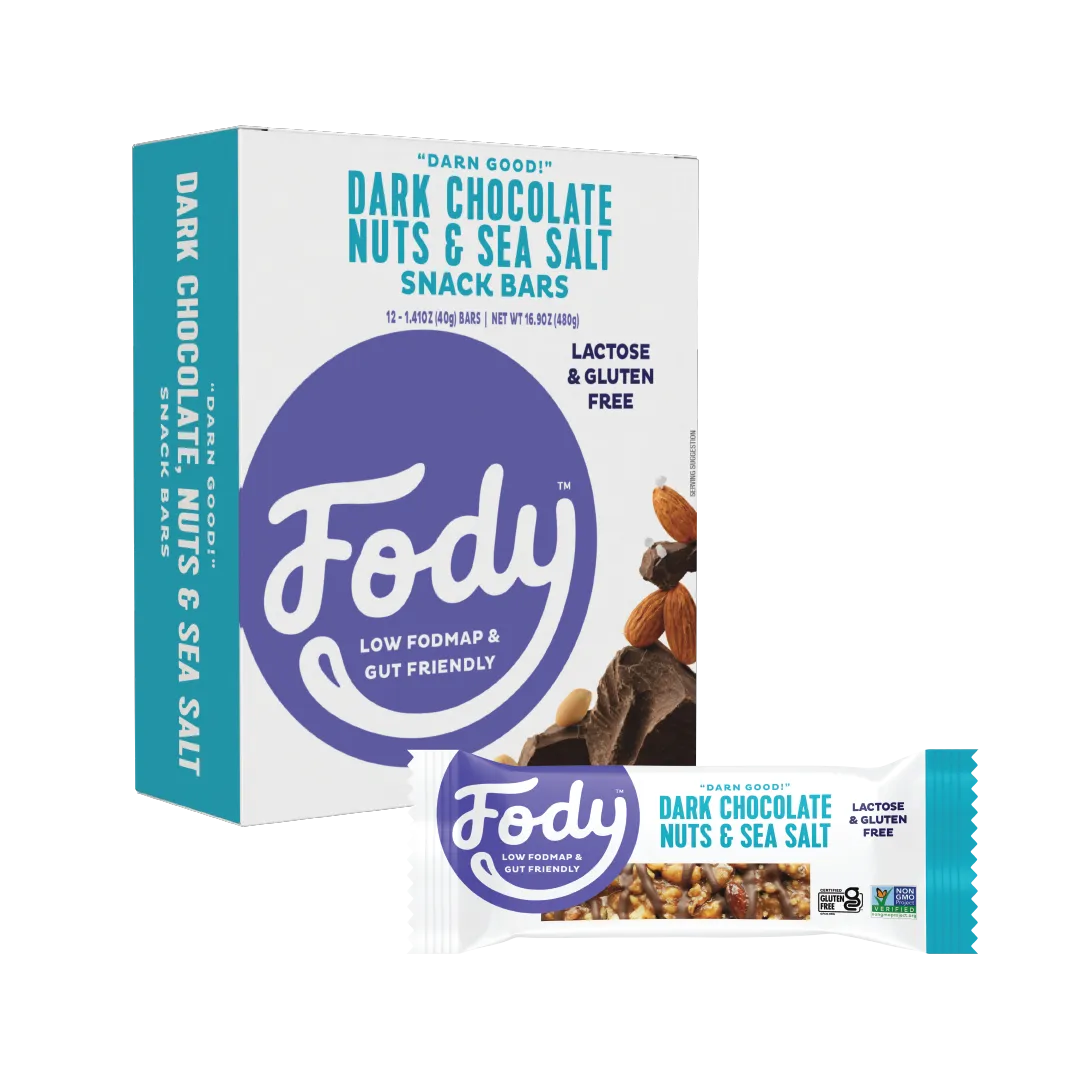
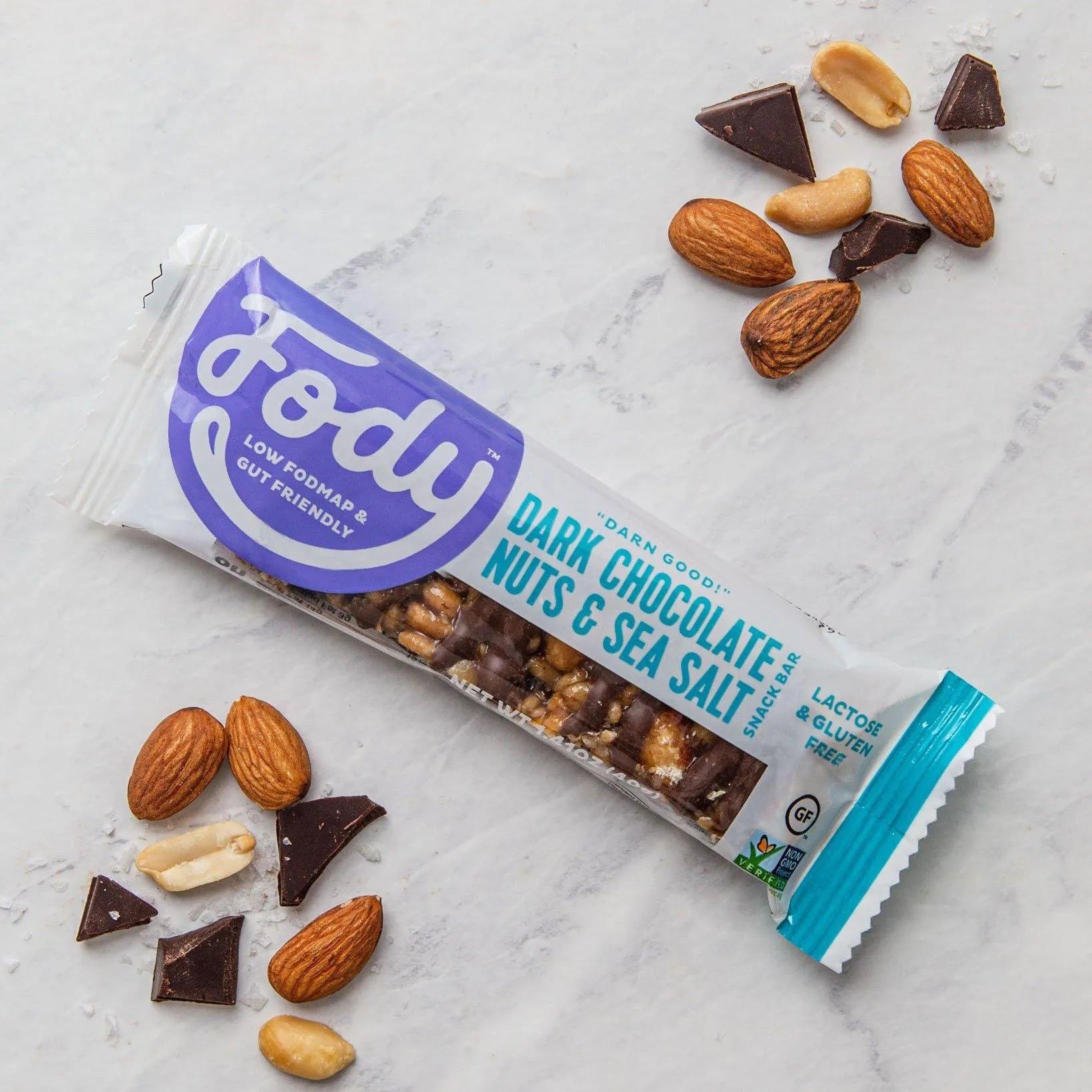 Dark Chocolate Nuts & Sea Salt Snack Bars - Box of 12
Dark Chocolate Nuts & Sea Salt Snack Bars - Box of 12
$27.99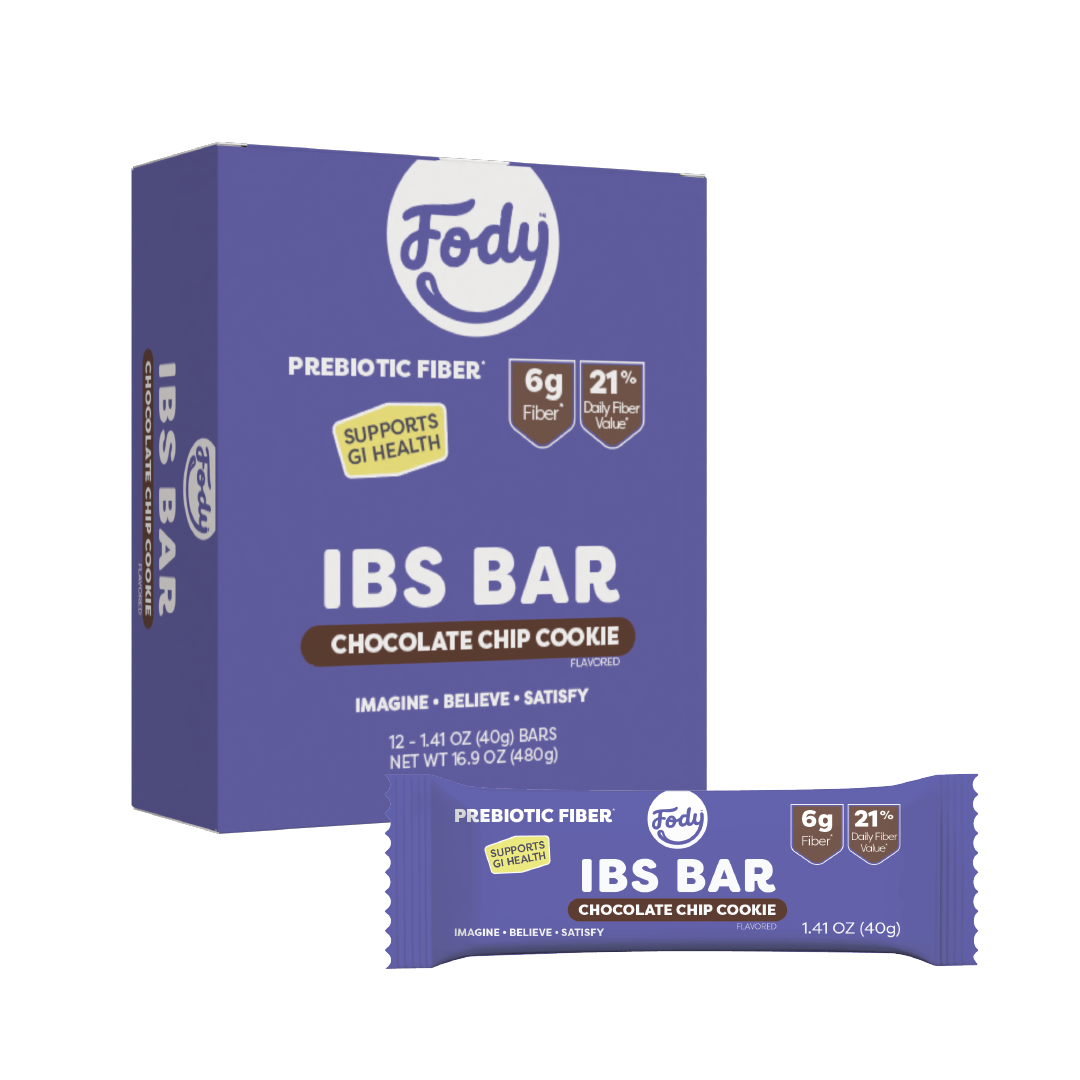
 Chocolate Chip Cookie High Fiber Snack Bar - 12 Pack
Chocolate Chip Cookie High Fiber Snack Bar - 12 Pack
$29.99


