




Are Mayonnaise, Ketchup, and Mustard Low FODMAP? A Sauce-by-Sauce IBS Guide
Why Condiments Matter More Than You Think When You Have IBS
Condiments are easy to overlook. A little squeeze of ketchup here and a spoonful of mayo there. It doesn’t feel like much. But for people with IBS, condiments are one of the most common sources of unexpected symptoms.
That’s because condiments often contain concentrated ingredients like onion, garlic, sweeteners, and flavor blends. Even when the rest of a meal looks IBS-friendly, the sauce can quietly push it over your tolerance threshold.
In this guide, we’ll break down the most common condiments—mayonnaise, ketchup, mustard, and hummus—and explain how they fit (or don’t fit) into a Low FODMAP diet. You’ll learn which ingredients matter most, what to watch for on labels, and how to choose IBS-friendly condiments with more confidence
Is Mayonnaise Low FODMAP?
Plain mayonnaise is not naturally high in FODMAPs. Traditional mayo is made from oil, egg yolks, vinegar or lemon juice, and salt—all ingredients that are Low FODMAP on their own.
However, not all mayonnaise is the same.
Many store-bought versions include added ingredients for flavor or shelf stability, such as:
-
Garlic or garlic powder
-
Onion powder
-
Sweeteners
-
Flavor concentrates
These additions are what make some mayonnaise problematic for people with IBS.
Can You Have Mayonnaise on a Low FODMAP Diet?
Yes, you can have mayonnaise on a Low FODMAP diet, as long as it does not contain onion or garlic and is eaten in reasonable portions. Portion size still matters because mayonnaise is high in fat, which can trigger symptoms for some people with IBS even when FODMAPs are low.
Can I Eat Mayonnaise with IBS?
Many people with IBS tolerate mayonnaise well when:
-
The ingredient list is simple
-
There is no onion or garlic
-
Portions are kept moderate
If mayo has caused symptoms in the past, it’s often due to hidden ingredients—not the mayonnaise itself.
Which Mayonnaise is Good for IBS?
The best mayonnaise for IBS is one that:
-
Has a short, transparent ingredient list
-
Contains no onion or garlic
-
Avoids unnecessary sweeteners
Some people choose to make mayo at home for complete control, while others rely on store-bought options labeled clearly.
Which Mayonnaise Brands are Low FODMAP?
Not all brands clearly disclose FODMAP suitability, which is why many people with IBS prefer condiments formulated for digestive comfort. Purpose-made IBS-friendly condiments that are tested and certified Low FODMAP reduce guesswork and help avoid trial-and-error eating.
Can You Have Ketchup with IBS?
Ketchup is one of the trickiest condiments for IBS. While tomatoes themselves can be Low FODMAP in certain portions, most conventional ketchup contains onion and garlic, as well as concentrated sweeteners.
As a result, many people experience symptoms after eating standard ketchup—even in small amounts.
Is Ketchup Low FODMAP?
Ketchup can be Low FODMAP only if it is made:
-
Without onion or garlic
-
Without high-fructose sweeteners
-
With controlled portion sizes
Low FODMAP ketchup alternatives exist, but they are far less common than standard versions. This is why ketchup often appears on lists of condiments that trigger IBS.

Is Mustard Low FODMAP?
Mustard is often better tolerated than ketchup, but it still depends on the variety.
Plain yellow mustard is typically Low FODMAP when it is made from mustard seeds, vinegar, and spices without added onion or garlic. However, some mustards—especially flavored or gourmet varieties—may include onion or garlic.
Is Dijon Mustard IBS-Friendly?
Dijon mustard can be IBS-friendly, but it requires careful label checking. Some Dijon mustards contain onion or garlic, while others do not. The name alone doesn’t guarantee suitability.
As with other condiments, simplicity is your best guide.
Are there any Low FODMAP Condiments
Yes—some condiments fit into a Low FODMAP diet, but they tend to be the ones with fewer ingredients and more transparent labeling.
Condiments that are often IBS-Friendly
-
Plain mayonnaise without onion or garlic
-
Simple mustard varieties
-
Vinegar-based condiments
-
Purpose-made Low FODMAP condiments
Condiments that Commonly Trigger IBS
-
Barbecue sauce
-
Relish
-
Sweet chili sauce
-
Garlic-based spreads
When condiments combine multiple triggers—onion, garlic, sweeteners—they become much harder to tolerate.
What About Hummus and Other Common Condiments?
Is Hummus Low FODMAP?
Traditional hummus is not Low FODMAP because it contains chickpeas (high in GOS) and garlic. Even small portions can trigger symptoms for many people with IBS.
Some modified versions exist that are formulated without garlic, but tolerance can vary depending on ingredients and portion size. For many people, hummus remains a condiment best avoided unless specifically formulated to be Low FODMAP.
What Condiments Trigger IBS Most Often?
The most common offenders include:
-
Garlic-heavy condiments
-
Onion-based sauces
-
Sweet condiments with concentrated sugars
-
Creamy condiments with lactose
Understanding these patterns helps reduce accidental exposure.
Why Fody Condiments are a Reliable Option for IBS-Friendly Eating
For people with IBS, reliability matters just as much as taste. Fody focuses on creating Low FODMAP condiments that remove the most common triggers—without sacrificing flavor.
Fody’s condiments are:
-
IBS-friendly
-
Gluten-free
-
Vegan
-
Tested and certified Low FODMAP
-
Made with no onion and no garlic
Instead of relying on vague ingredient lists, many people choose purpose-built options like these to simplify everyday eating. When condiments are predictable, meals become easier to plan and far less stressful.
Conclusion
Condiments don’t have to be off-limits when you’re managing IBS—but they do require a bit more intention. Mayonnaise, ketchup, and mustard can all fit into a Low FODMAP diet depending on how they’re made and how much you use.
The biggest takeaway is that ingredients matter more than the condiment itself. Onion, garlic, and concentrated sweeteners are what most often cause problems—not the base ingredients like eggs, tomatoes, or mustard seeds. When you focus on simpler formulas and transparent labeling, it becomes much easier to identify IBS-friendly condiments you can enjoy without discomfort.
Over time, learning which sauces work for you builds confidence and reduces the stress around everyday meals. With the correct information—and reliable Low FODMAP options—you can add flavor back into your food while still supporting digestive comfort.
FAQs
1. Is mayonnaise Low FODMAP, or can it trigger IBS symptoms?
Is mayonnaise Low FODMAP? In most cases, yes — but the full answer depends on ingredients and portion size. Traditional mayonnaise is made from oil, egg yolks, vinegar or lemon juice, and salt. These ingredients are naturally Low FODMAP, which means mayonnaise itself is not inherently high in FODMAPs.
The problem arises with store-bought mayonnaise that contains added ingredients, such as onion powder, garlic powder, flavor concentrates, or sweeteners. These additions can make mayonnaise problematic for people with IBS, even if only a small amount is used. This is why some people believe mayo is a trigger, when in reality, it’s the added ingredients causing symptoms.
Another critical factor is fat content. While fat is not a FODMAP, high-fat foods can still trigger digestive discomfort for some people with IBS. For this reason, mayonnaise is best enjoyed in moderate portions.
When chosen carefully, mayonnaise can absolutely be part of an IBS-friendly way of eating. Opting for simple, clearly labeled options helps ensure mayonnaise remains Low FODMAP and easier to tolerate.
2. Can you have ketchup with IBS, and is ketchup Low FODMAP?
Many people wonder if ketchup is Low FODMAP, especially since it’s such a common condiment. The short answer is: most conventional ketchup is not Low FODMAP, and that’s why it often triggers IBS symptoms.
While tomatoes themselves can fit into a Low FODMAP diet in certain portions, standard ketchup usually contains onion, garlic, and concentrated sweeteners. These ingredients significantly increase the FODMAP load, making ketchup difficult to tolerate for many people with IBS. Even a small serving can be enough to cause bloating or discomfort.
That said, ketchup is not automatically off-limits. Low FODMAP ketchup options do exist, but they are formulated explicitly without onion or garlic and with carefully balanced sweetness. When people with IBS switch to these alternatives, they often find they can enjoy ketchup again without the usual symptoms.
If you have IBS, ketchup is one of those condiments where ingredient lists matter more than brand names. Choosing IBS-friendly condiments designed for Low FODMAP eating can make a noticeable difference in comfort and confidence at meals.
3. Is mustard Low FODMAP, and is Dijon mustard IBS-friendly?
Is mustard Low FODMAP? Often, yes — but not always. Mustard is generally better tolerated than many other condiments because its base ingredients (mustard seeds, vinegar, spices) are Low FODMAP. Plain yellow mustard, in particular, is usually safe for people with IBS when eaten in normal portions.
However, flavored and specialty mustards can be a different story. Some varieties include onion, garlic, or sweeteners, which can turn an otherwise safe condiment into a trigger. This is why label reading is essential when it comes to mustard.
A common question is whether Dijon mustard is IBS-friendly. The answer depends entirely on the recipe. Some Dijon mustards contain onion or garlic, while others do not. The name “Dijon” alone does not guarantee that it’s Low FODMAP.
For people with IBS, mustard can be one of the more flexible Low FODMAP condiments, but only when ingredients are confirmed. Choosing simple formulas and avoiding added flavor blends helps ensure mustard stays IBS-friendly.
4. Are there any IBS-friendly condiments that are consistently Low FODMAP?
Yes, there are IBS-friendly condiments that people with IBS tend to tolerate more consistently — especially when those condiments are explicitly made for Low FODMAP eating. Consistency is key, because IBS symptoms often worsen when ingredients vary from meal to meal.
Condiments that are most reliably Low FODMAP are those made without onion or garlic and with limited sweeteners. Examples include specific mayonnaise options, simple mustards, vinegar-based condiments, and purpose-made Low FODMAP sauces. These condiments focus on flavor through herbs, acidity, and oils rather than high-FODMAP ingredients.
What makes these condiments easier to live with long-term is predictability. When people with IBS know a condiment won’t surprise them, it reduces anxiety around meals and supports better digestion overall. This is why many people move away from standard grocery-store condiments toward options explicitly formulated for IBS.
Having a small collection of trusted Low FODMAP condiments can simplify everyday eating and help maintain comfort without sacrificing flavor.
5. What condiments trigger IBS most often, even in small amounts?
Some condiments are especially likely to trigger IBS symptoms because they combine multiple problem ingredients into a single serving. These are often the condiments people react to first when symptoms appear unexpectedly.
The most common IBS triggers in condiments include:
-
Onion and garlic (in any form)
-
Sweeteners like honey or concentrated syrups
-
Flavor blends and “natural flavors”
-
Dairy-based ingredients in creamy sauces
Condiments such as barbecue sauce, sweet chili sauce, relish, garlic aioli, and traditional hummus often cause issues because they contain multiple triggers. Even small portions can be enough to cause bloating or discomfort.
Understanding these patterns helps people with IBS make better choices without feeling restricted. By avoiding high-risk condiments and replacing them with Low FODMAP condiments, it becomes much easier to enjoy meals without constant trial and error.
For many, the shift isn’t about removing condiments altogether — it’s about choosing ones that truly support digestive comfort.
So, what are you waiting for?
Shop from some of our best selling, low FODMAP foods.
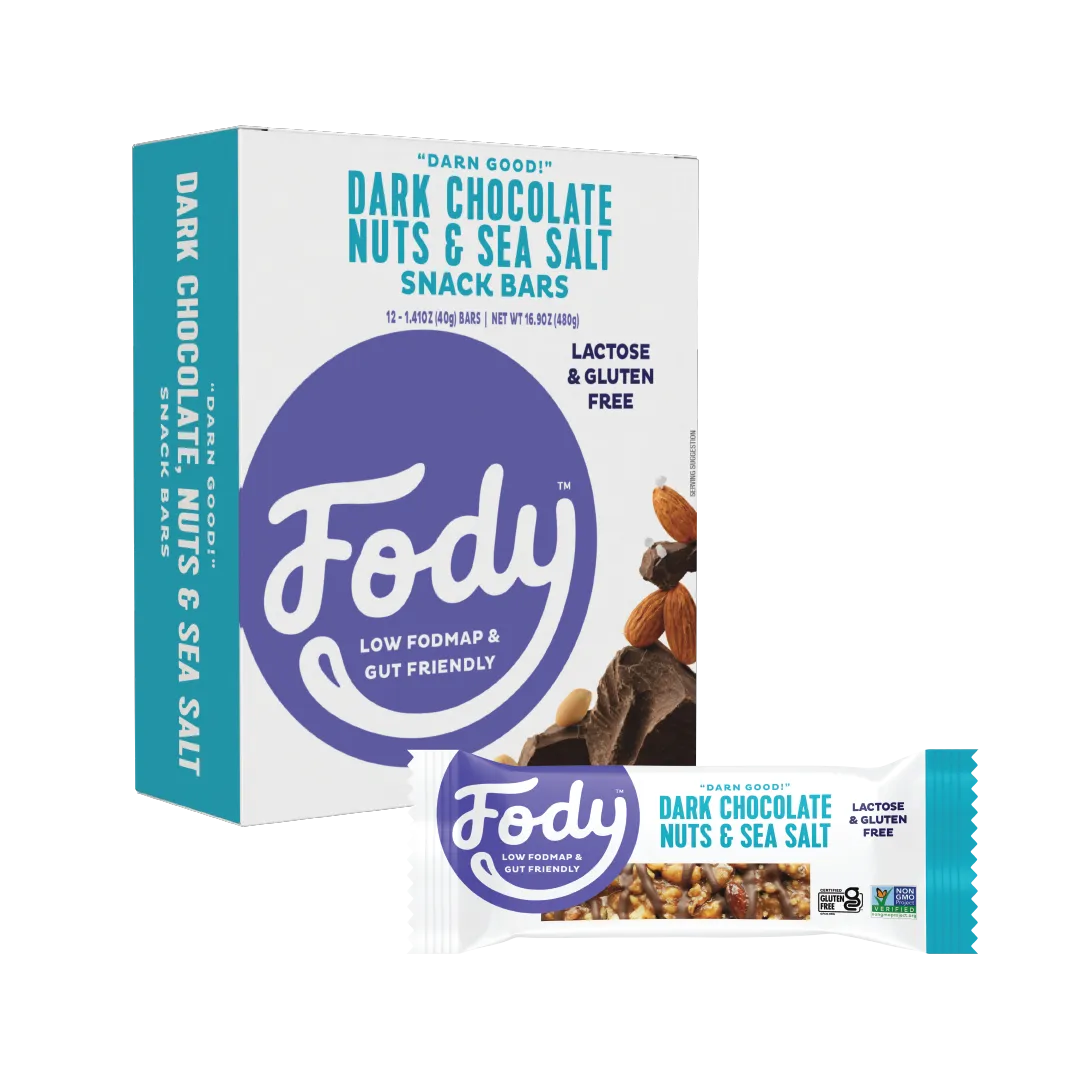
 Dark Chocolate Nuts & Sea Salt Snack Bars - Box of 12
Dark Chocolate Nuts & Sea Salt Snack Bars - Box of 12
$27.99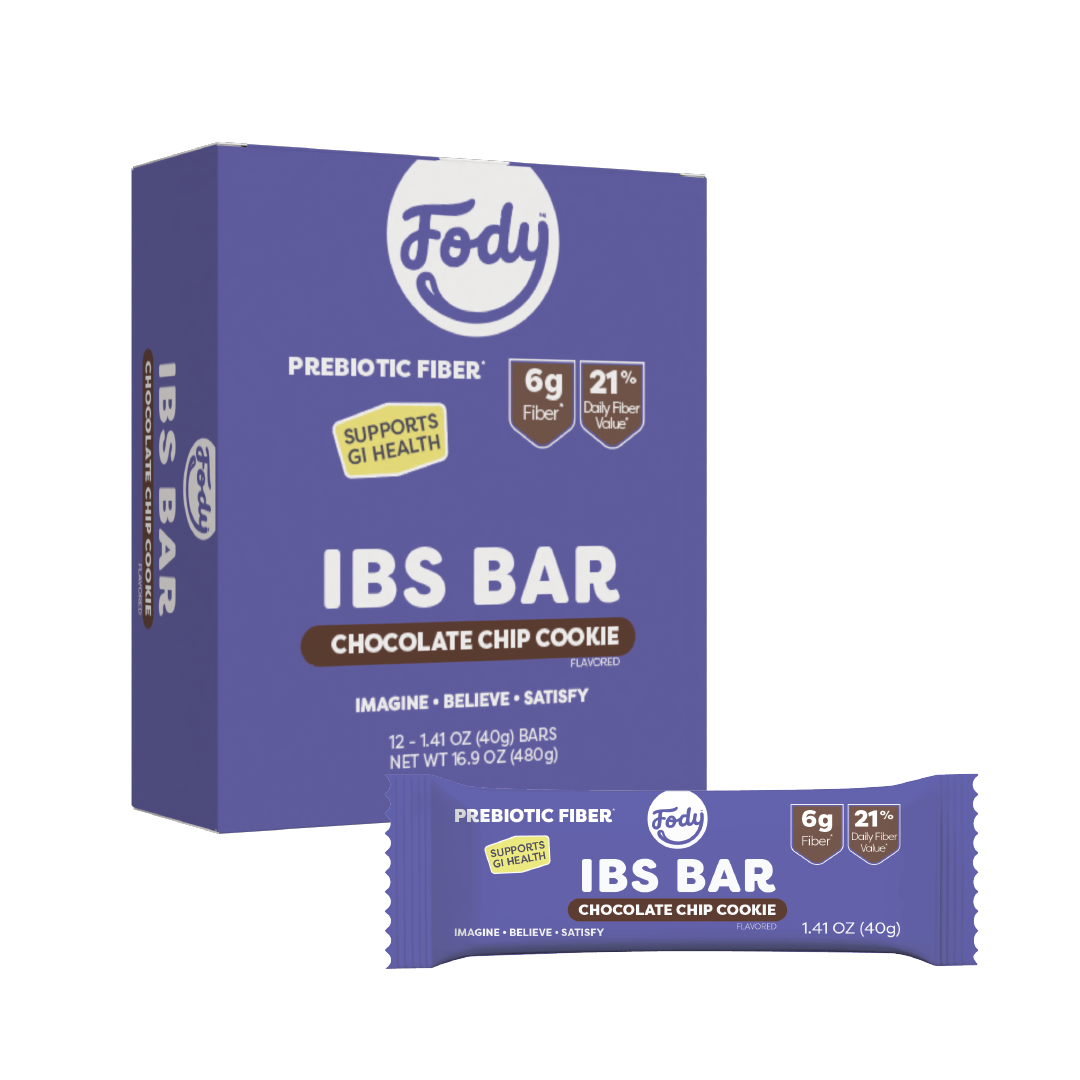
 Chocolate Chip Cookie High Fiber Snack Bar - 12 Pack
Chocolate Chip Cookie High Fiber Snack Bar - 12 Pack
$29.99


