




SIBO Low FODMAP Guide
Fody's tested and certified Low FODMAP products make following a SIBO elimination diet practical, flavorful, and manageable every single day.
What Is SIBO Exactly
Small intestinal bacterial overgrowth occurs when bacteria from the large intestine migrate into the small intestine in elevated numbers. The result is bloating, gas, and abdominal discomfort overlapping with IBS. Diagnosis is confirmed through hydrogen and methane breath testing ordered by a healthcare provider. SIBO requires dietary management alongside treatment.
Small intestinal bacterial overgrowth produces a cluster of digestive symptoms that closely resemble IBS, which is why it is frequently misdiagnosed or diagnosed alongside an existing IBS diagnosis. Diagnosis is typically confirmed through hydrogen and methane breath testing ordered by a healthcare provider. SIBO is a diagnosable medical condition, and dietary management works alongside treatment rather than replacing medical care.
Why Low FODMAP Helps SIBO
The Low FODMAP diet for SIBO works by restricting fermentable carbohydrates that bacteria in the small intestine use as fuel. When that fuel source is removed, gas production decreases and symptoms ease. The Low FODMAP approach follows a three-phase structure: elimination, reintroduction, and maintenance. Clinical evidence shows meaningful symptom improvement when the elimination phase is followed with consistency. The diet does not cure SIBO but serves as a core symptom management tool during and after treatment.
Fermentation and Bacterial Overgrowth
FODMAP stands for fermentable oligosaccharides, disaccharides, monosaccharides, and polyols. Each category is fermented by gut bacteria at different rates. Fructans, found in onion and garlic, are among the most rapidly fermented and are direct triggers for bacterial overgrowth symptoms. Lactose, excess fructose, and polyols also ferment readily in the small intestine when bacteria are present in elevated numbers. Eliminating high-FODMAP foods reduces the available bacterial substrate, which is the core mechanism behind symptom control on the Low FODMAP elimination phase.
Foods to Avoid With SIBO
During the SIBO elimination phase, the following must be removed entirely. Onion and garlic are fructans and the most potent bacterial fuel sources in the typical diet. Wheat-based foods are high in both fructans and GOS. Legumes and most beans are high in GOS. Honey, agave, and high-fructose fruits must be avoided. Lactose-containing dairy, stone fruits, mushrooms, and products containing sorbitol, mannitol, or xylitol are also triggers. None of these are safe during strict Low FODMAP elimination for SIBO management.
Low FODMAP Safe Foods for SIBO
The elimination phase for a Low FODMAP diet plan for SIBO offers more variety than many expect. Lean proteins including chicken, fish, and eggs are unrestricted. Safe grains include rice and quinoa. Most berries are Low FODMAP in standard serving sizes. Non-starchy vegetables that are generally well tolerated include spinach, zucchini, carrots, and bell peppers. Lactose-free dairy and hard cheeses are safe options. Building meals around these Low FODMAP foods safe for SIBO makes consistent adherence more practical and sustainable.
SIBO Elimination Phase Expectations
The SIBO elimination phase diet typically runs two to six weeks. Strict compliance is essential because partial adherence reduces the diet's effectiveness. Many people notice symptom improvement within the first one to two weeks. Keeping a food diary helps track individual response and identify unexpected triggers. Spacing meals at least three hours apart supports the gut's natural cleansing waves, known as the migrating motor complex. The elimination phase is not a permanent eating pattern and is not intended to be followed indefinitely.
SIBO-Safe Sauces and Condiments
Conventional pasta sauces and condiments almost always contain onion or garlic, two of the most fermentable FODMAP triggers. Reading labels during SIBO management quickly reveals how many pantry staples are off-limits. Fody's Low FODMAP pasta sauces, including Marinara Pasta Sauce and Tomato Basil Pasta Sauce, are tested and certified Low FODMAP and made without onion or garlic. Fody salsas remove onions, the ingredient that differentiates them from conventional salsas. Garlic-infused olive oil is Low FODMAP because FODMAP carbohydrates do not transfer into oil during the infusion process, making it a safe flavor source.
Fody Foods: Built for Gut Conditions Like SIBO
Fody was founded to give people with IBS and digestive conditions a way to enjoy flavorful food without the daily challenge of navigating the Low FODMAP diet alone. Every product in the Fody line is tested and certified Low FODMAP, gluten-free, vegan, and made without onion or garlic. Fody holds B Corp certification, reflecting a commitment to health and ethical business. For anyone managing SIBO or IBS, Fody's tested and certified Low FODMAP range exists specifically to make gut-friendly eating possible without the daily label-reading burden.
Low FODMAP SIBO Meal Prep
Consistent Low FODMAP adherence during SIBO treatment is easier with batch cooking. Preparing proteins such as chicken and fish in advance covers several meals without daily effort. Cooking safe grains like rice and quinoa in larger portions reduces decision fatigue on busy days. Pre-portioning vegetables such as carrots, spinach, zucchini, and bell peppers supports portion accuracy and prevents accidental overconsumption of borderline ingredients. Using tested and certified Low FODMAP sauces removes the need to assess each sauce ingredient at every meal, keeping the elimination phase manageable.
Safe Seasonings and Spices for SIBO
Most commercial seasoning blends contain garlic powder or onion powder, both high-FODMAP fructans and among the most potent bacterial fuel sources available. Reading every seasoning label is essential during the SIBO elimination phase diet. Safe individual spices include salt, black pepper, paprika, cumin, turmeric, and cinnamon. Fody's Low FODMAP Everyday Seasoning is tested and certified Low FODMAP, eliminating the need to assess each blend individually. It is a practical everyday solution that keeps cooking safe without sacrificing flavor during SIBO management.
SIBO Reintroduction and FODMAPs
After completing the SIBO elimination phase, foods are reintroduced one FODMAP group at a time. Each group is tested over several days while symptoms are monitored carefully. This structured process identifies individual tolerance thresholds, because not every person with SIBO reacts equally to every FODMAP category. A registered dietitian improves the accuracy of this phase and helps maintain nutritional adequacy throughout. The goal of the maintenance phase is the least restrictive diet that keeps symptoms under control, not permanent strict elimination.
Managing SIBO With Confidence
A Low FODMAP diet for SIBO is most effective as part of a broader treatment plan. Antibiotic or antimicrobial treatment typically precedes or runs alongside the elimination phase, and a registered dietitian helps ensure nutritional adequacy and accurate reintroduction. Symptoms vary between individuals, so the approach should be personalised with professional guidance. Incorporating tested and certified Low FODMAP products like Fody's sauces, seasonings, and Snack Bars simplifies daily adherence and reduces the risk of accidental high-FODMAP exposure throughout every phase.
So, what are you waiting for?
Shop from some of our best selling, low FODMAP foods.
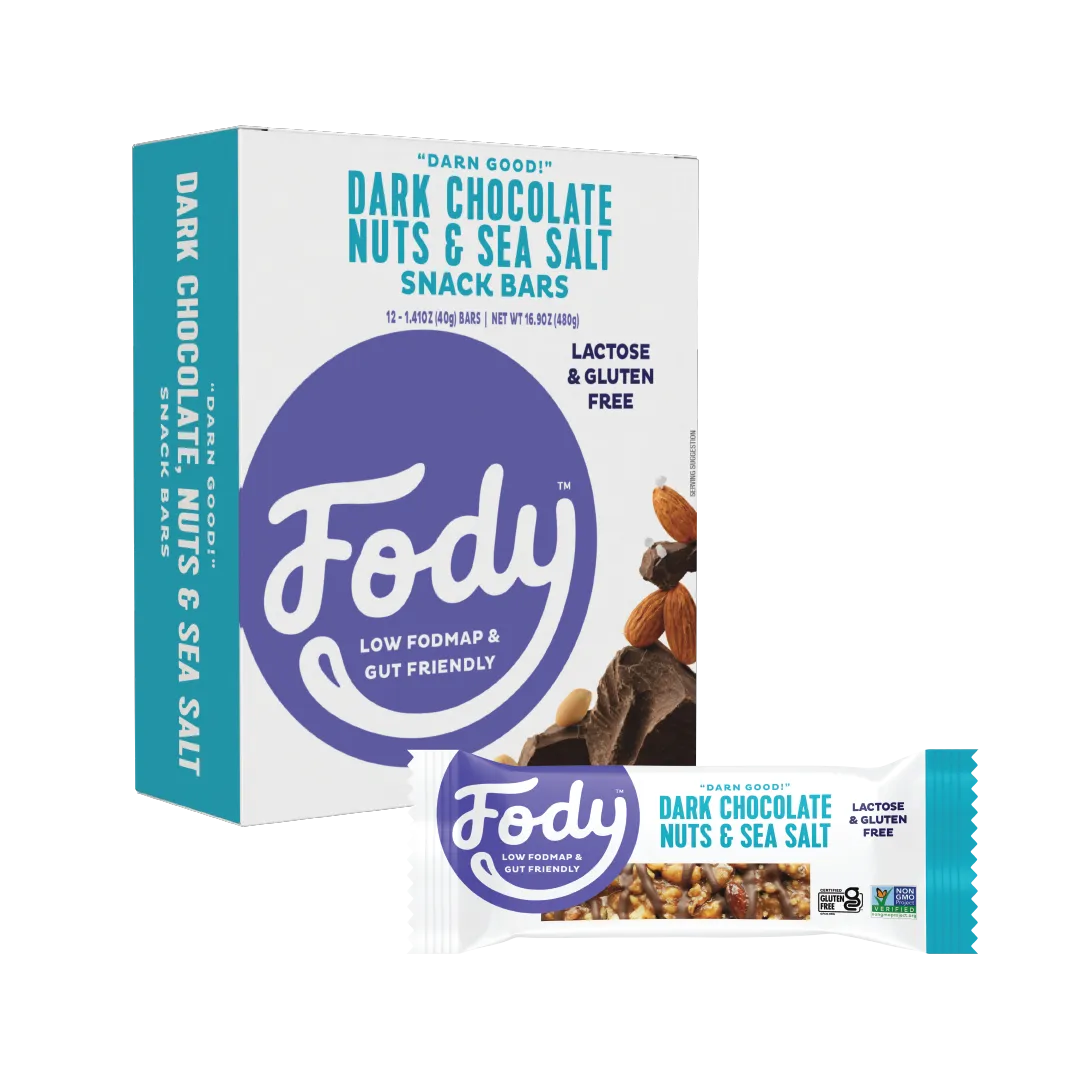
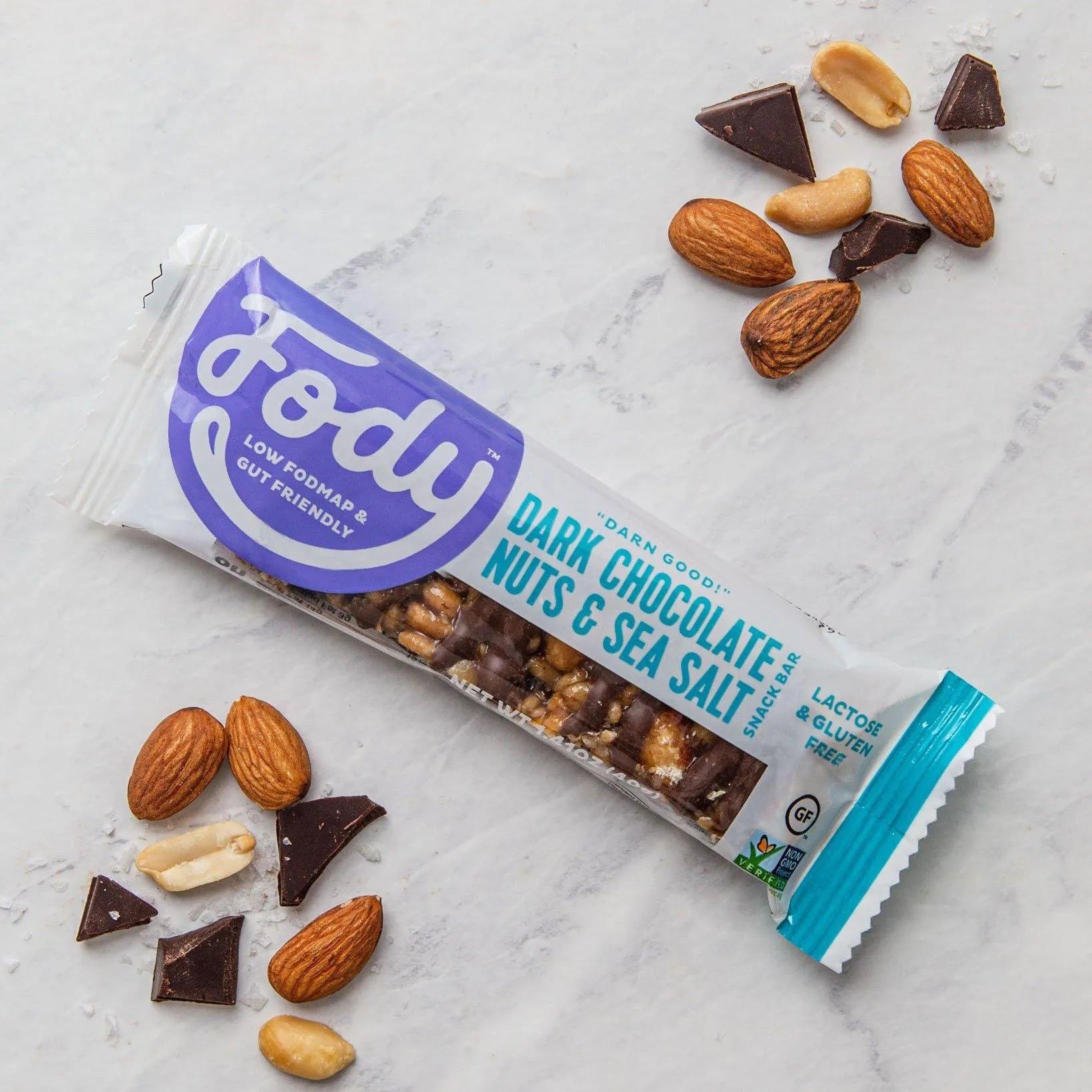 Dark Chocolate Nuts & Sea Salt Snack Bars - Box of 12
Dark Chocolate Nuts & Sea Salt Snack Bars - Box of 12
$27.99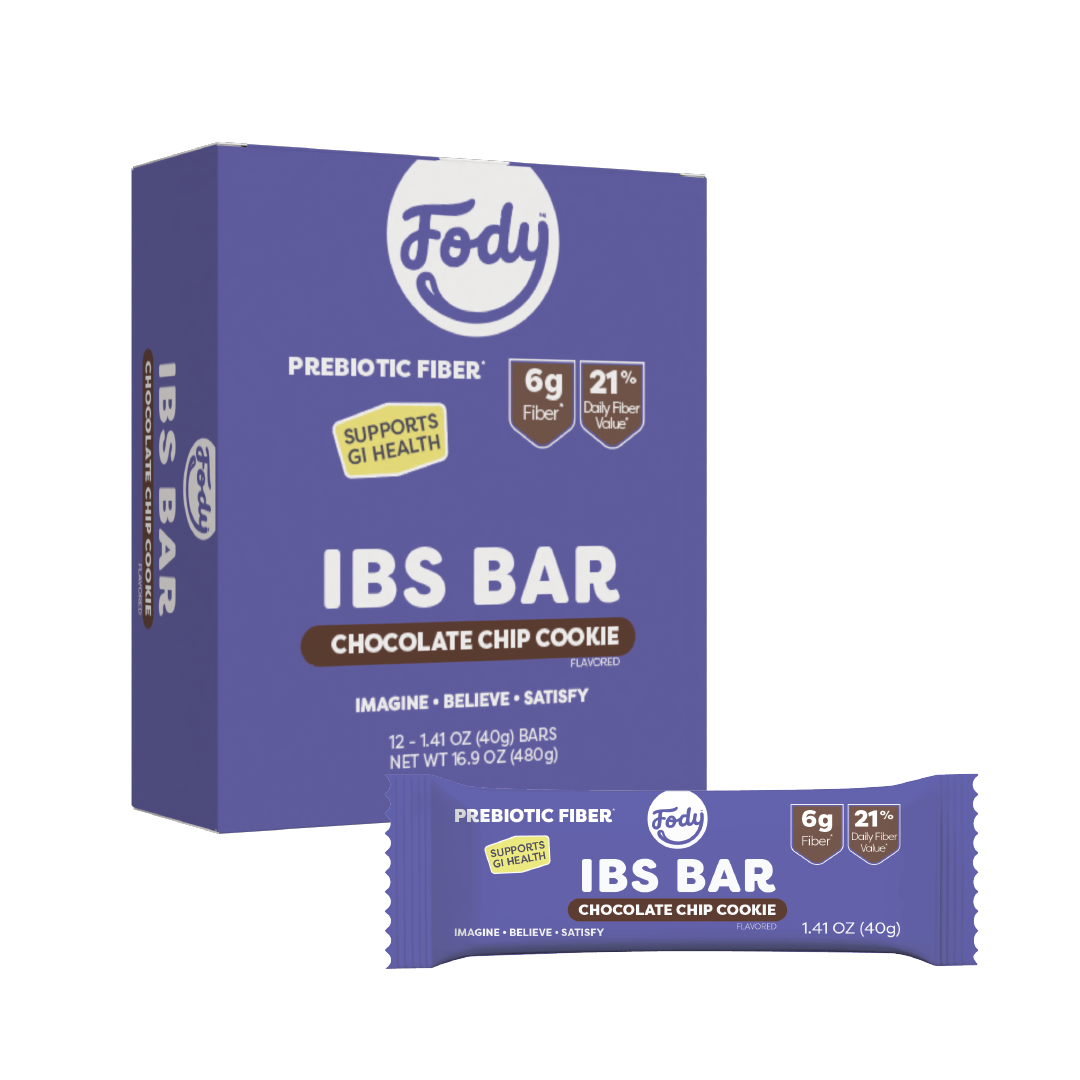
 Chocolate Chip Cookie High Fiber Snack Bar - 12 Pack
Chocolate Chip Cookie High Fiber Snack Bar - 12 Pack
$29.99


